IVF Over 40 in Turkey & North Cyprus: Realistic Options and Success Rates

The Reality of IVF After 40
Pursuing IVF treatment after the age of 40 requires honest conversations about success rates, treatment options, and realistic expectations. While fertility does decline with age, advances in reproductive medicine and the availability of multiple treatment pathways mean that many women over 40 can still achieve their dream of motherhood. Turkey and North Cyprus have become particularly popular destinations for patients in this age group, offering accessible treatment without the strict age restrictions found in many other countries.
Understanding the numbers, the options, and the emotional landscape will help you make informed decisions about your path forward. For a deeper look at fertility treatment for older patients, read our comprehensive guide on IVF for women over 40.
Success Rates by Age: What the Data Shows
Ages 40-42
Women aged 40 to 42 using their own eggs can expect live birth rates of approximately 15-25% per transfer with high-quality embryos. Success rates improve significantly when preimplantation genetic testing (PGT-A) is used to select chromosomally normal embryos. At age 40, roughly 40-50% of embryos may be chromosomally normal, but this percentage drops with each year.
Ages 43-44
At 43-44, own-egg IVF success rates decline further to approximately 5-15% per transfer. The rate of chromosomally normal embryos drops to around 20-30%. Multiple cycles may be needed to achieve enough embryos for testing and transfer. This is the age range where many specialists begin discussing donor eggs as a primary or parallel option.
Age 45 and Beyond
After 45, own-egg IVF success rates are extremely low, typically under 5% per cycle. Very few clinics will attempt own-egg IVF beyond 45 due to the negligible success rates. However, with donor eggs, success rates remain remarkably high at 55-70% per transfer regardless of the recipient's age, as the egg quality is determined by the donor's age (typically 20-30 years old).
Own Eggs vs. Donor Eggs: Making the Decision
This is often the most emotionally challenging decision for women over 40. There are several important factors to consider:
Using your own eggs preserves a genetic connection to your child and may be worthwhile if you have reasonable ovarian reserve (AMH above 1.0 ng/mL and good AFC). Many women choose to attempt one or two own-egg cycles before considering donor eggs. Clinics in Turkey and North Cyprus offer affordable pricing that makes multiple attempts more financially feasible than in Western countries.
Using donor eggs offers dramatically higher success rates and is often the recommended path for women with very low AMH, poor response to stimulation, or those over 43-44. North Cyprus is particularly well-known for its high-quality anonymous egg donation programs, with young, thoroughly screened donors. Read more about egg donation in North Cyprus.
Why Turkey and North Cyprus Are Popular for 40+ Patients
No Strict Age Limits in North Cyprus
Unlike countries such as the UK (where NHS funding stops at 42) or many European nations with legal age caps, North Cyprus has no legal upper age limit for IVF treatment. This means women in their mid-40s or even older can still pursue treatment with either their own eggs or donor eggs. The decision is made jointly between the patient and her doctor based on medical appropriateness rather than arbitrary legal restrictions.
Affordable Multiple Cycles in Turkey
The cost of IVF in Turkey is typically 60-70% lower than in the UK, Germany, or the United States. For women over 40 who may need multiple cycles, this cost advantage is significant. A complete IVF cycle in Turkey typically costs $3,000-$5,000, compared to $12,000-$15,000 in the US. This affordability allows patients to try two or three cycles for the cost of a single cycle at home.
Advanced Treatment Options Available
Both Turkey and North Cyprus offer the full spectrum of treatments relevant to older patients:
- Aggressive stimulation protocols optimized for low reserve - PGT-A testing to identify the best embryos - Tandem IVF combining own eggs with donor eggs in the same cycle — learn more about tandem IVF in North Cyprus - Donor egg programs with young, screened donors - DHEA and growth hormone supplementation to potentially improve egg quality - Accumulation cycles (banking embryos over multiple retrievals before transfer)
Treatment Strategies for Women Over 40
Aggressive Stimulation with PGT-A
For women with reasonable ovarian reserve, an aggressive stimulation protocol (high-dose gonadotropins, sometimes with growth hormone adjunct) aims to retrieve the maximum number of eggs. All resulting embryos are biopsied at the blastocyst stage and tested with PGT-A. Only chromosomally normal embryos are transferred, dramatically improving the per-transfer pregnancy rate.
Tandem IVF
Tandem IVF is a unique approach available in North Cyprus that combines own-egg IVF with donor-egg IVF in the same cycle. Your own eggs are retrieved and fertilized alongside donor eggs. If your own embryos are viable and chromosomally normal, they are transferred first. If not, donor embryos serve as a backup. This approach provides the best chance of success while preserving the hope of a genetic connection.
Donor Eggs
For women with very low ovarian reserve or those over 44-45, donor egg IVF offers the highest success rates. Read our guide on IVF with low AMH in North Cyprus and IVF with low AMH in Turkey for more detailed information.
The Emotional Journey
Pursuing fertility treatment after 40 carries unique emotional challenges. The pressure of time, the possibility of needing donor eggs, and the financial burden of multiple cycles can create significant stress. Many clinics offer psychological support and counseling as part of their treatment packages.
It is important to give yourself permission to grieve the path you imagined while remaining open to alternative routes to parenthood. Many women who initially resisted the idea of donor eggs report feeling deeply connected to their children and grateful for the opportunity.
Cost Comparison: Multiple Own-Egg Cycles vs. Donor Eggs
A practical consideration is the cumulative cost of multiple own-egg cycles versus a single donor-egg cycle. In Turkey, three own-egg cycles might cost approximately $12,000-$18,000 with a cumulative success rate of 30-50% for women aged 40-42. A single donor-egg cycle in North Cyprus costs approximately $5,000-$7,000 with a success rate of 55-70% per attempt.
Legal Age Limits: Country Comparison
Age limits vary significantly by country. France and Italy impose limits around 43-45, while the UK allows treatment up to 54 but with very limited NHS access after 42. North Cyprus stands out with no legal age limit, and Turkey allows treatment up to age 45 with own eggs. These differences are a major reason why patients from restrictive countries seek treatment in these destinations.
Finding the Right Support
Whatever path you choose, having expert guidance is essential. Browse experienced consultants who specialize in treating patients over 40, and explore clinics in both Turkey and North Cyprus that have strong track records with this patient group. The right clinic will offer honest prognosis discussions, advanced laboratory capabilities, and comprehensive support throughout your journey.
Clinics in Turkey

Memorial Hospitals Group
Memorial Hospitals Group in Istanbul offers accredited IVF services with multilingual support and extensive experience treating international patients.
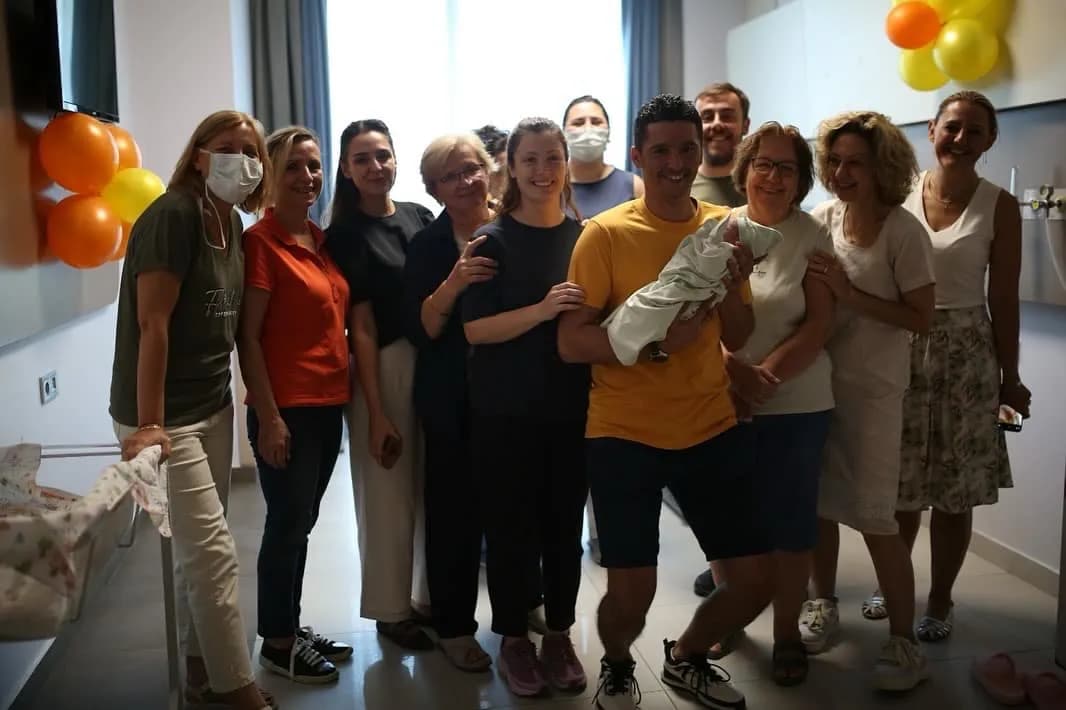
Irenbe Tüp Bebek Merkezi
Irenbe Tup Bebek Merkezi in Izmir offers IVF, high-risk pregnancy follow-up, menopause care, and male infertility services with multilingual support.

Dr. Gamze Çağlar IVF Clinic
Dr. Gamze Çağlar IVF Clinic in Ankara offers IVF, egg freezing, and embryo genetic selection, led by Prof. Dr. Gamze Sinem Yücel.