Tandem IVF in North Cyprus: Own Eggs + Donor Eggs for Better Chances
What Is Tandem IVF?
Tandem IVF is an innovative fertility treatment that combines two approaches in a single cycle: using your own eggs alongside donor eggs. Instead of choosing exclusively between a standard IVF cycle with your own eggs or a full egg donation cycle, tandem IVF gives you both options simultaneously. This dual approach is particularly popular in North Cyprus, where the progressive legal framework and competitive pricing make it accessible to patients from around the world.
The concept is straightforward. During the same treatment cycle, both you and a matched egg donor undergo ovarian stimulation. Your eggs and the donor's eggs are retrieved, fertilized (typically using ICSI), and cultured separately. The best embryos from each group are then evaluated, and the strongest embryo — whether from your own eggs or the donor's — is selected for transfer.
Who Benefits from Tandem IVF?
The Ideal Candidate
Tandem IVF is designed for women who are not ready to completely give up on their own eggs but recognise that their fertility potential may be diminished. The most common candidates include:
Women aged 38 and older who still produce some eggs but have declining egg quality. At this age, the chances of success with own eggs alone drop significantly, but there is still a meaningful possibility of conceiving with your own genetic material.
Patients with low AMH (Anti-Mullerian Hormone) levels, indicating reduced ovarian reserve. Even with low AMH, some women produce a few viable eggs each cycle. Tandem IVF ensures these eggs get a chance while providing the safety net of donor eggs. For more on this topic, see our detailed guide on IVF with low AMH.
Women who have experienced previous IVF failures with their own eggs. Rather than immediately switching to full egg donation, tandem IVF offers a middle ground that many patients find emotionally easier to accept.
Patients who want a genetic connection but understand the statistical reality. The emotional desire to have a biological child is powerful, and tandem IVF honours this while providing a practical backup plan.
How Tandem IVF Works: Step by Step
Cycle Coordination
The process requires careful synchronization between you and the egg donor. Here is how a typical tandem IVF cycle unfolds at clinics in North Cyprus:
Week 1-2: Preparation. Both you and the donor begin birth control pills or other synchronization medications to align your menstrual cycles. The clinic selects a donor based on your physical characteristics, blood type, and preferences.
Week 3-4: Stimulation. Both you and the donor begin injectable gonadotropins to stimulate egg production. You will attend monitoring appointments at the clinic with ultrasound scans every 2-3 days to track follicle growth.
Day of retrieval. Both egg retrievals are performed on the same day or within 24 hours of each other. Your eggs and the donor's eggs are collected under light sedation in separate procedures lasting about 15-20 minutes each.
Fertilization and culture. All collected eggs are fertilized using ICSI. Embryos from both sources are cultured separately in the laboratory for 5-6 days to the blastocyst stage. The embryology team monitors development of both sets of embryos and provides daily updates.
Embryo selection and transfer. The embryologist evaluates all blastocysts using morphological grading. If your own embryos are of comparable quality to the donor embryos, priority is given to transferring your own. If the donor embryos are clearly superior, the best donor embryo is transferred. Remaining good-quality embryos from both sources are vitrified for future use.
Success Rates
Tandem IVF offers combined success rates of 60-75% per cycle, which is significantly higher than using own eggs alone for women over 38. The breakdown typically looks like this:
Own eggs component: For women aged 38-42, the chance of the best embryo coming from their own eggs is approximately 15-30%, depending on ovarian reserve and egg quality. This is lower than younger patients but still represents a meaningful chance.
Donor eggs component: The donor egg backup provides pregnancy rates of 55-65% per transfer, consistent with standard egg donation success rates.
The combined probability means that most tandem IVF patients achieve a pregnancy, and a significant minority do so with their own eggs — which is the best possible outcome for those who wish to maintain a genetic connection.
Cost of Tandem IVF in North Cyprus
Tandem IVF in North Cyprus typically costs between €6,000 and €8,000 for the complete cycle. This includes your own stimulation and egg retrieval, the donor's stimulation, screening, compensation, and egg retrieval, ICSI fertilization for both sets of eggs, embryo culture and monitoring, and one embryo transfer.
To put this in perspective, a standard egg donation cycle alone costs €4,500-€6,000, while a standard IVF cycle with own eggs costs €2,800-€3,800. The tandem approach costs only modestly more than pure egg donation while giving you the additional chance of conceiving with your own eggs.
Additional costs may include PGT/PGD testing (€2,500-€4,000) if you wish to screen embryos from both sources, medications (€400-€800), and embryo freezing and storage (€300-€500 per year).
Emotional Benefits of Tandem IVF
One of the most significant advantages of tandem IVF is psychological. Many women struggle with the decision to use donor eggs, even when they understand the medical rationale. The feeling of giving up on their own eggs can cause grief, guilt, and a sense of loss.
Tandem IVF addresses this by allowing patients to try with their own eggs while removing the all-or-nothing pressure. Knowing that donor eggs are available as a backup reduces anxiety and allows patients to approach the cycle with greater peace of mind. If the own-egg embryos do not develop well, the transition to using donor embryos feels natural rather than like a failure.
Conversely, if a patient's own eggs produce good embryos, the joy of achieving pregnancy with their own genetic material is amplified by having made an informed, balanced choice rather than a desperate one.
Tandem IVF vs Standard Egg Donation
The key differences between tandem IVF and standard egg donation are worth understanding:
Tandem IVF gives you a chance with own eggs plus donor backup, requires you to undergo stimulation and retrieval, costs slightly more, and provides surplus embryos from both sources for future attempts.
Standard egg donation relies entirely on donor eggs, requires only endometrial preparation for you, costs less, and limits future attempts to donor embryos only.
For patients who have no remaining ovarian function or who have fully decided on egg donation, standard egg donation remains the most efficient path. But for those in the grey area — still producing eggs but with reduced chances — tandem IVF offers a uniquely balanced solution.
Getting Started with Tandem IVF
If you are considering tandem IVF, the first step is a thorough fertility assessment including AMH levels, AFC (antral follicle count), and a review of any previous treatment history. Browse our verified clinics in North Cyprus that specialise in tandem cycles, or connect with experienced consultants who can help you determine whether tandem IVF is the right approach for your situation.
Clinics in North Cyprus
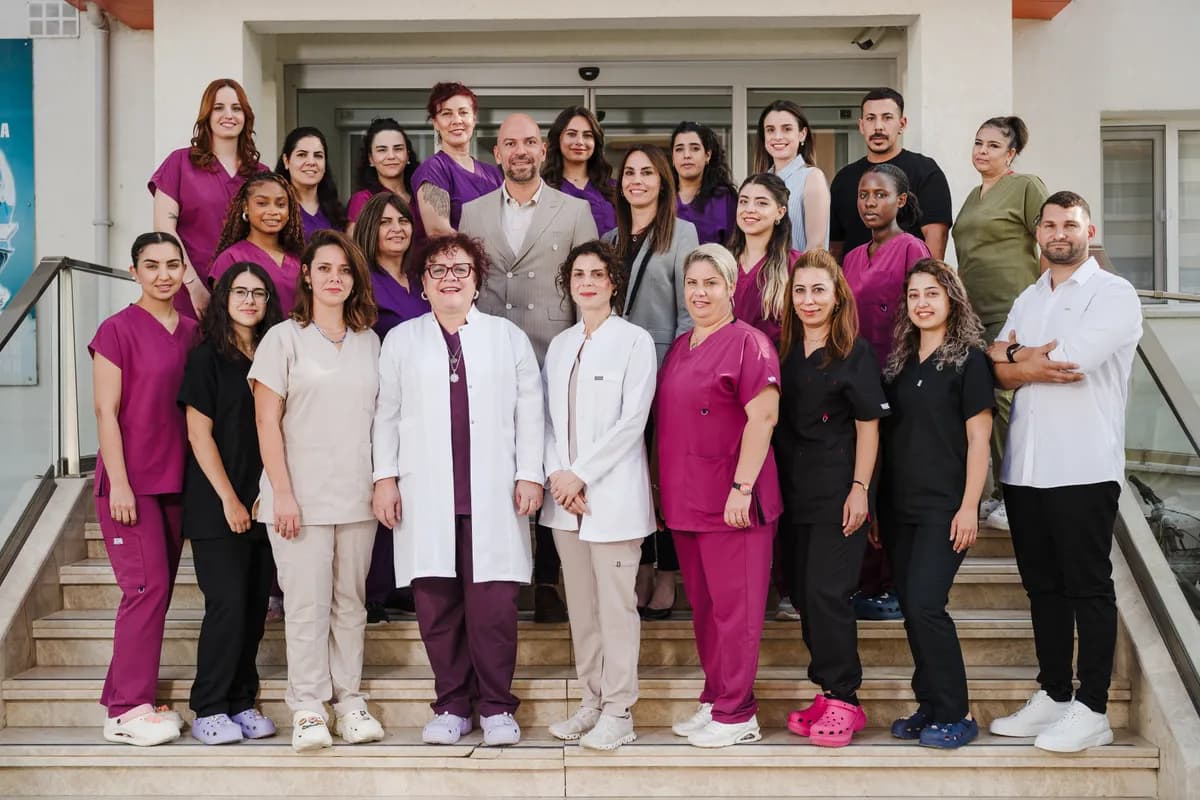
Cyprus IVF Hospital
Cyprus IVF Hospital is a fertility clinic in Famagusta, North Cyprus, offering IVF, egg donation, genetic testing and patient-focused reproductive care for international patients.
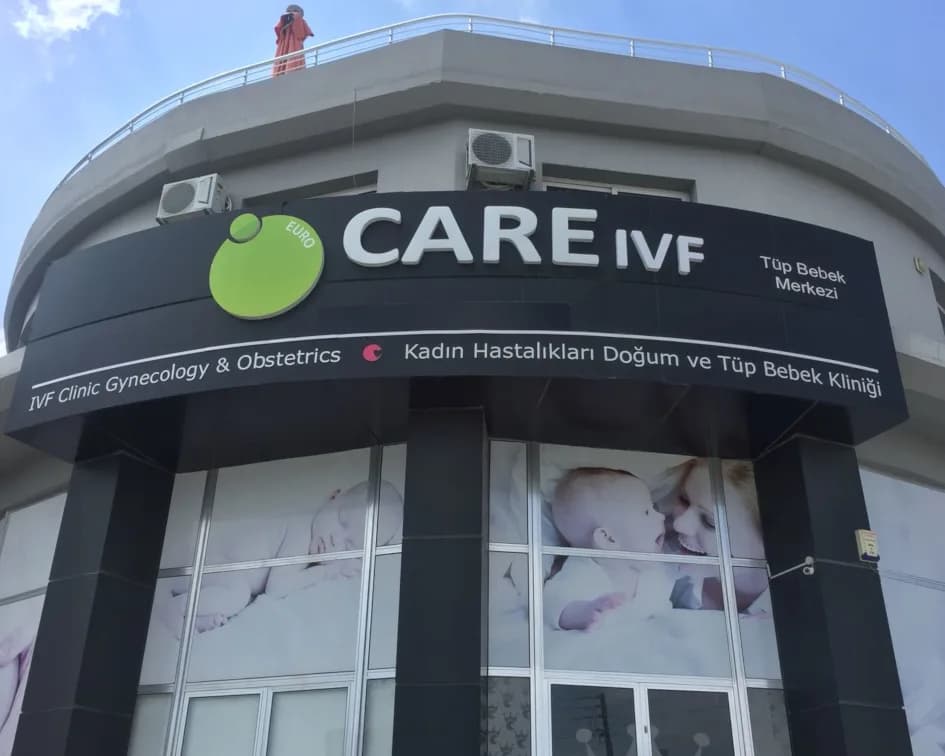
EuroCARE IVF
Nicosia, North Cyprus fertility clinic offering IVF, egg donation and PGT-based gender selection, with a UK patient line.