IVF Success Rates in Turkey: Statistics by Age and Treatment Type
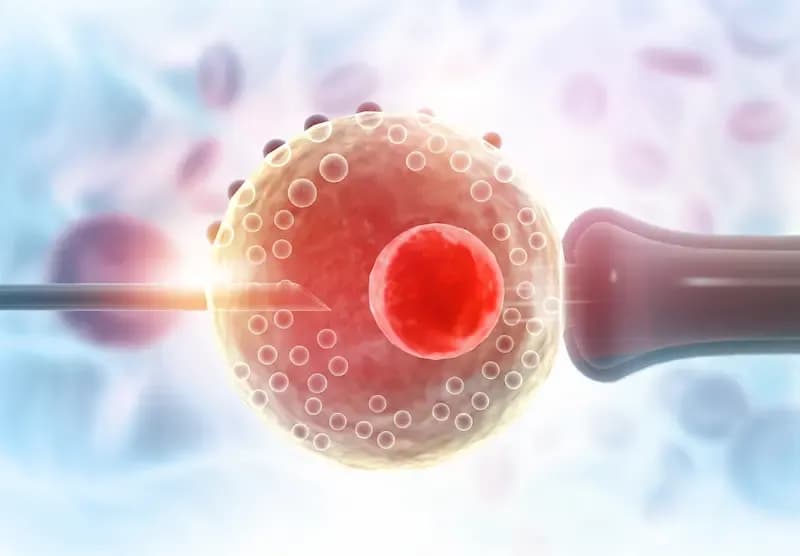
IVF Success Rates in Turkey by Age Group
Understanding IVF success rates is essential when choosing Turkey as your fertility treatment destination. Turkish clinics have invested heavily in cutting-edge embryology laboratories and experienced medical teams, achieving success rates that are competitive with the best centers in Europe and North America. However, age remains the single most important factor influencing your chances of a successful pregnancy.
Success Rates by Age
Under 35 Years Old
Women under 35 have the highest IVF success rates in Turkey, with clinical pregnancy rates of 50-60% per embryo transfer. At this age, egg quality and quantity are typically at their best, allowing embryologists to work with a strong selection of embryos. Many clinics recommend single-embryo transfer for this group to avoid twin pregnancies while maintaining excellent outcomes.
Ages 35-37
Success rates remain strong at 45-55% for women in this age range. While egg quality begins a gradual decline, Turkish clinics compensate with optimized stimulation protocols and advanced culture techniques. Adding PGT-A genetic screening at this stage can further improve implantation rates by ensuring only chromosomally normal embryos are transferred.
Ages 38-40
At this stage, success rates drop to 35-45% per transfer. The decline is primarily due to an increasing proportion of chromosomally abnormal eggs. Clinics often recommend more aggressive stimulation and PGT-A testing to identify the best-quality embryos.
Ages 40-42
Women between 40 and 42 can expect success rates of 20-30% with their own eggs. Multiple cycles may be necessary to achieve pregnancy, and patients should have realistic expectations. Genetic screening becomes particularly valuable at this age to maximize the chance of each transfer.
Over 42
Success rates with own eggs fall to 10-15% for women over 42. Many fertility specialists recommend considering egg donation at this point, which offers significantly higher success rates of 55-70% regardless of the recipient's age, because donor eggs come from young, healthy women.
Factors That Influence Success Rates
BMI and Lifestyle
Body mass index significantly impacts IVF outcomes. A BMI between 19 and 25 is associated with the best results. Smoking reduces success rates by up to 50%, and excessive alcohol consumption also has a negative effect. Clinics in Turkey typically recommend lifestyle modifications at least three months before starting treatment.
Clinic Choice and Technology
Not all clinics produce equal results. The best fertility clinics in Turkey invest in time-lapse embryo monitoring, advanced culture media, and experienced embryologists who can identify the highest-quality embryos for transfer. Always review a clinic's verified success data before making your decision.
ICSI vs. Conventional IVF
ICSI success rates are generally comparable to conventional IVF when used appropriately. However, for male factor infertility, ICSI dramatically improves fertilization rates from as low as 30% to over 70%. Most Turkish clinics default to ICSI for all cycles, which ensures consistent fertilization even in borderline cases.
How Turkey Compares Globally
Turkey's IVF success rates are on par with leading fertility destinations including Spain, the Czech Republic, and Greece. The combination of competitive pricing, modern technology, and experienced specialists makes Turkey an increasingly popular choice for international patients seeking high-quality fertility care at accessible prices.
Clinics in Turkey

Memorial Hospitals Group
Memorial Hospitals Group in Istanbul offers accredited IVF services with multilingual support and extensive experience treating international patients.

Irenbe Tüp Bebek Merkezi
Irenbe Tup Bebek Merkezi in Izmir offers IVF, high-risk pregnancy follow-up, menopause care, and male infertility services with multilingual support.

Dr. Gamze Çağlar IVF Clinic
Dr. Gamze Çağlar IVF Clinic in Ankara offers IVF, egg freezing, and embryo genetic selection, led by Prof. Dr. Gamze Sinem Yücel.