IVF in Turkey for American Patients: Costs, Travel & What to Expect

The Cost Advantage: US vs. Turkey IVF Prices
For American patients facing the high cost of fertility treatment at home, Turkey offers a compelling alternative. A single IVF cycle in the United States typically costs between $15,000 and $25,000, and that figure can climb to $30,000 or more with medications and genetic testing. In contrast, the same treatment at a top-tier clinic in Turkey costs just $3,000 to $5,000, including consultations, monitoring, egg retrieval, and embryo transfer.
Even after factoring in round-trip airfare ($600-$1,200 depending on your departure city), hotel accommodation ($50-$100 per night for two to three weeks), and daily expenses, the total cost of an IVF cycle in Turkey is typically $5,000 to $8,000 all-inclusive — still a fraction of what you would pay at a US fertility center. Many American patients find they can afford two or even three cycles in Turkey for the price of one cycle at home.
Insurance Considerations for US Patients
Most American health insurance plans do not cover IVF treatment performed abroad. However, only 19 US states currently mandate some level of fertility treatment coverage, and many of these mandates have significant limitations. If your insurance does not cover IVF domestically, the out-of-pocket cost comparison makes Turkey an even more attractive option.
Some patients use Health Savings Accounts (HSAs) or Flexible Spending Accounts (FSAs) to pay for fertility treatment abroad, as IVF is a qualified medical expense. Check with your plan administrator to confirm eligibility. Additionally, medical expenses exceeding 7.5% of your adjusted gross income may be tax-deductible on your federal return, including travel costs directly related to medical care.
Direct Flights and Travel Logistics
Getting to Turkey from the United States is straightforward. Turkish Airlines operates direct flights from major US cities including New York (JFK), Chicago (ORD), Washington DC (IAD), Los Angeles (LAX), Houston (IAH), Miami (MIA), San Francisco (SFO), and Atlanta (ATL). Flight times range from 10 to 13 hours depending on your departure city.
Visa Requirements
American citizens can obtain a Turkish e-visa online in minutes at evisa.gov.tr. The e-visa costs approximately $50 and is valid for stays of up to 90 days within a 180-day period — more than enough time for one or even two IVF cycles. No embassy visit or complicated paperwork is required.
JCI-Accredited Hospitals: Familiar Standards
One of the strongest reasons American patients choose Turkey is the availability of Joint Commission International (JCI) accredited hospitals. JCI is the international arm of the Joint Commission, the same organization that accredits US hospitals. When you receive treatment at a JCI-accredited facility in Turkey, you can be confident that the hospital meets the same patient safety and quality standards you would expect at home.
Turkey has more JCI-accredited hospitals than almost any other country outside the United States, with many of these facilities located in Istanbul, Ankara, and Izmir. These hospitals employ board-certified reproductive endocrinologists, many of whom have trained or practiced in the US or Western Europe.
Quality of Care Comparison
Turkish fertility clinics use the same medications, laboratory equipment, and treatment protocols as their American counterparts. Leading Turkish centers feature time-lapse embryo monitoring systems, next-generation sequencing for genetic testing, and advanced cryopreservation techniques. Many Turkish reproductive specialists are active members of the American Society for Reproductive Medicine (ASRM) and publish research in peer-reviewed international journals.
ICSI is performed as the standard fertilization technique at most Turkish clinics, and success rates for women under 35 are comparable to top US centers, with clinical pregnancy rates of 50-65% per transfer. Connect with experienced consultants on our platform to review clinic-specific success data.
Time Zone and Communication Considerations
Turkey is 7 to 10 hours ahead of US time zones (Eastern to Pacific). This time difference is manageable for pre-treatment consultations, which are typically conducted via video call. Most international patient coordinators at Turkish clinics speak fluent English and are accustomed to working with American patients, often scheduling calls during US evening hours that correspond to Turkish morning hours.
During treatment, all communication happens in person at the clinic. After returning home, follow-up consultations can be conducted remotely, with results and medical records shared electronically.
Planning Your Treatment Journey
A typical IVF cycle in Turkey requires a stay of 14 to 21 days. Many American patients plan their trip to arrive a day or two early to adjust to the time difference and attend their initial in-person consultation. Your clinic will provide a detailed day-by-day schedule before you travel.
Before departing, complete preliminary blood work (AMH, FSH, estradiol, TSH) and a baseline ultrasound with your US physician. Share these results with your chosen Turkish clinic so they can design your stimulation protocol in advance. For a comprehensive overview of the process, see our Turkey guide and success rates analysis.
Clinics in Turkey

Memorial Hospitals Group
Memorial Hospitals Group in Istanbul offers accredited IVF services with multilingual support and extensive experience treating international patients.
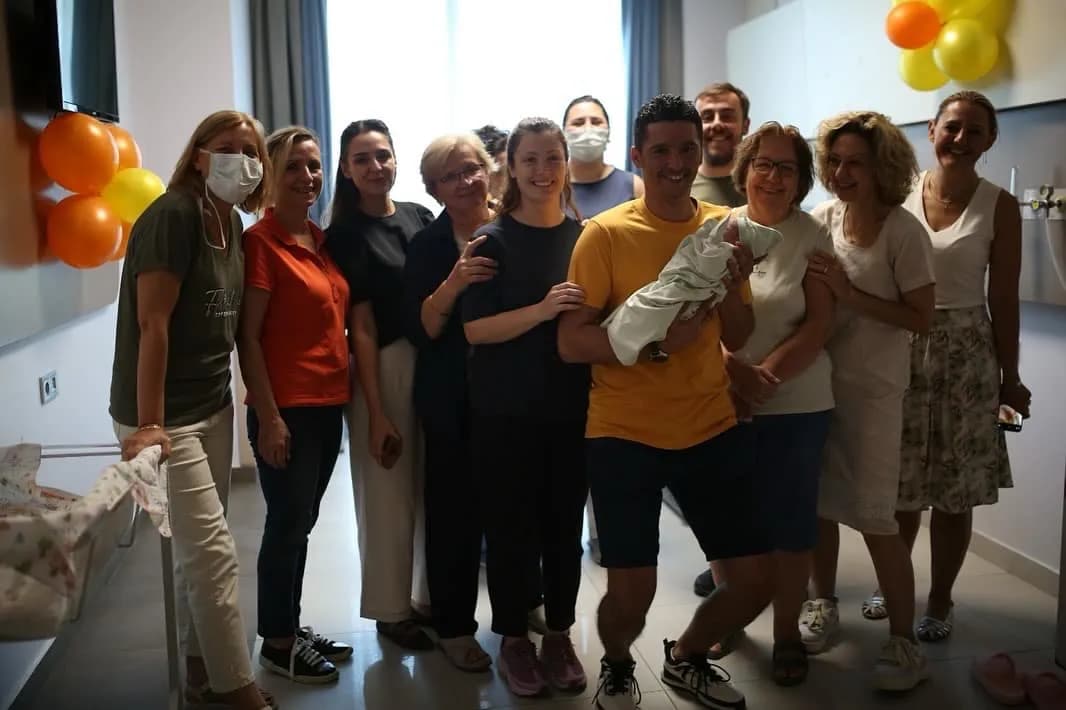
Irenbe Tüp Bebek Merkezi
Irenbe Tup Bebek Merkezi in Izmir offers IVF, high-risk pregnancy follow-up, menopause care, and male infertility services with multilingual support.

Dr. Gamze Çağlar IVF Clinic
Dr. Gamze Çağlar IVF Clinic in Ankara offers IVF, egg freezing, and embryo genetic selection, led by Prof. Dr. Gamze Sinem Yücel.