ICSI Treatment in Turkey: Costs, Success Rates & What to Expect

What Is ICSI and How Does It Differ from Standard IVF?
Intracytoplasmic sperm injection (ICSI) is a specialized form of IVF treatment in which a single sperm is injected directly into the cytoplasm of a mature egg. Unlike conventional IVF, where sperm and eggs are mixed in a dish and fertilization occurs naturally, ICSI bypasses many barriers to fertilization. This makes it the treatment of choice for couples dealing with male factor infertility, including low sperm count, poor motility, abnormal morphology, or sperm retrieved surgically via TESE or micro-TESE.
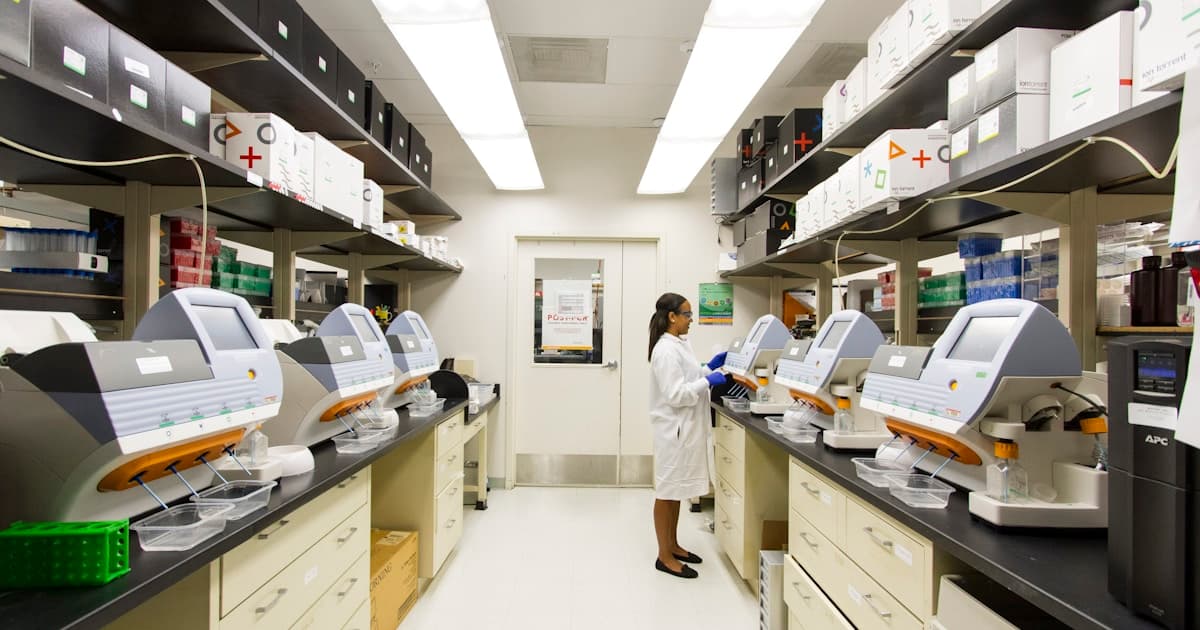
Turkey has become one of the most sought-after destinations for ICSI treatment, offering world-class embryology laboratories, experienced reproductive specialists, and costs that are a fraction of what patients pay in Western Europe or North America.
When Is ICSI Recommended?
Male Factor Infertility
ICSI is primarily indicated when semen analysis reveals oligozoospermia (low sperm count below 15 million/ml), asthenozoospermia (reduced motility), or teratozoospermia (abnormal morphology). It is also essential when sperm is obtained through surgical extraction procedures such as TESE, particularly in cases of obstructive or non-obstructive azoospermia.
Other Indications
ICSI may also be recommended after previous IVF fertilization failure, when using frozen sperm or surgically retrieved sperm, for patients undergoing PGT genetic testing that requires precise embryo handling, and in unexplained infertility cases where standard IVF has not produced results.
ICSI Success Rates in Turkey
Turkish fertility clinics report impressive ICSI outcomes. For women under 35, fertilization rates typically reach 70-80% per injected egg, with clinical pregnancy rates of 50-65% per transfer cycle. Women aged 35-39 can expect pregnancy rates of 40-50%, while those over 40 see rates of 25-35%. These figures are comparable to leading European and American clinics, largely due to Turkey's investment in cutting-edge laboratory infrastructure and highly trained embryologists.
ICSI Treatment Costs in Turkey
One of the biggest advantages of choosing Turkey for ICSI is affordability. A complete ICSI cycle, including ovarian stimulation medications, egg retrieval, sperm preparation, microinjection, embryo culture, and embryo transfer, typically costs between $3,000 and $4,500. This represents savings of 50-70% compared to the same treatment in the UK ($8,000-$12,000) or the United States ($12,000-$18,000).
Many clinics in Turkey offer all-inclusive packages that cover consultations, monitoring scans, laboratory procedures, and sometimes accommodation assistance, making the process straightforward for international patients.
Advanced ICSI Techniques Available in Turkey
IMSI (Intracytoplasmic Morphologically Selected Sperm Injection)
IMSI uses ultra-high magnification (6,000x or more) to examine sperm in extraordinary detail before selection and injection. This allows embryologists to identify and avoid sperm with vacuoles or structural defects that are invisible under standard ICSI magnification. IMSI may be particularly beneficial for patients with severe male factor infertility or repeated ICSI failures.
PICSI (Physiological ICSI)
PICSI involves selecting sperm based on their ability to bind to hyaluronan, a substance naturally present around the egg. Sperm that bind to hyaluronan tend to be more mature, have fewer chromosomal abnormalities, and exhibit better DNA integrity. This technique adds a physiological selection step that can improve embryo quality and implantation rates.
Choosing the Right Clinic for ICSI in Turkey
When selecting a fertility clinic for ICSI treatment, consider the embryology laboratory's equipment and accreditation, the experience of the reproductive medicine team, availability of advanced techniques like IMSI and PICSI, and transparent pricing. Browse verified fertility consultants on our platform and explore top-rated Turkish fertility clinics to find the best match for your treatment needs.
Clinics in Turkey

Memorial Hospitals Group
Memorial Hospitals Group in Istanbul offers accredited IVF services with multilingual support and extensive experience treating international patients.
Irenbe Tüp Bebek Merkezi
Irenbe Tup Bebek Merkezi in Izmir offers IVF, high-risk pregnancy follow-up, menopause care, and male infertility services with multilingual support.

Dr. Gamze Çağlar IVF Clinic
Dr. Gamze Çağlar IVF Clinic in Ankara offers IVF, egg freezing, and embryo genetic selection, led by Prof. Dr. Gamze Sinem Yücel.