Hysteroscopy Before IVF in Turkey: When You Need It & What It Costs
What Is Hysteroscopy and Why Is It Done Before IVF?
Hysteroscopy is a minimally invasive procedure that allows a fertility specialist to examine the inside of the uterus using a thin, lighted camera called a hysteroscope. Before starting an IVF treatment cycle, many doctors recommend hysteroscopy to ensure the uterine cavity is healthy and free from abnormalities that could prevent embryo implantation.
Research consistently shows that uterine abnormalities are present in up to 40-50% of women with unexplained infertility or repeated IVF failure. Identifying and treating these issues before embryo transfer can significantly improve your chances of a successful pregnancy. This is why hysteroscopy has become a standard part of IVF preparation at leading clinics in Turkey and around the world.
Diagnostic vs. Operative Hysteroscopy
Diagnostic Hysteroscopy
A diagnostic hysteroscopy is a quick examination that takes only 10 to 15 minutes. The doctor inserts a thin hysteroscope through the cervix to visually inspect the uterine cavity. No incisions are needed, and it can often be performed without general anesthesia. This procedure identifies conditions such as polyps, fibroids, adhesions, or a uterine septum that may not appear on standard ultrasound imaging.
Operative Hysteroscopy
If an abnormality is found during the diagnostic procedure, the doctor can often treat it immediately using operative hysteroscopy. Small instruments are passed through the hysteroscope to remove polyps, cut adhesions, or resect fibroids. This combined approach means patients avoid the need for a second procedure, saving both time and cost.
Conditions Hysteroscopy Can Treat
Uterine Polyps
Endometrial polyps are soft growths on the uterine lining that can interfere with embryo implantation. Studies show that removing polyps before IVF increases clinical pregnancy rates by up to 30%. Even small polyps that appear harmless on ultrasound may reduce implantation success.
Submucosal Fibroids
Fibroids that grow into the uterine cavity, known as submucosal fibroids, can distort the shape of the uterus and block implantation. Hysteroscopic myomectomy removes these fibroids without abdominal surgery, preserving the integrity of the uterine wall and improving IVF outcomes.
Uterine Septum
A uterine septum is a congenital wall of tissue that divides the uterine cavity. It is associated with recurrent miscarriage and poor IVF outcomes. Hysteroscopic septum resection is a straightforward procedure that restores the normal shape of the uterus and significantly improves pregnancy rates.
Intrauterine Adhesions
Also known as Asherman syndrome, intrauterine adhesions are scar tissue bands that form after previous surgeries, infections, or curettage. These adhesions reduce the available surface area for embryo implantation. Hysteroscopic adhesiolysis carefully removes the scar tissue and allows the endometrium to regenerate.
How Hysteroscopy Improves IVF Success Rates
Multiple studies confirm that hysteroscopy before IVF improves outcomes. A landmark meta-analysis found that women who underwent hysteroscopy before their first IVF cycle had pregnancy rates 8-10% higher than those who did not. For women with recurrent implantation failure, the benefit is even greater, with some studies reporting a doubling of implantation rates after hysteroscopic correction of uterine pathology.
The procedure works by creating an optimal uterine environment for the embryo. Removing physical barriers, improving blood flow to the endometrium, and eliminating sources of inflammation all contribute to better implantation conditions.
The Procedure in Turkey: What to Expect
Turkey has become a leading destination for fertility-related procedures, including hysteroscopy. The procedure is performed as an outpatient surgery at accredited hospitals and fertility clinics, typically taking 15 to 45 minutes depending on whether it is diagnostic or operative.
Cost of Hysteroscopy in Turkey
The cost of hysteroscopy in Turkey ranges from €500 to €1,500, depending on the complexity of the procedure. Diagnostic hysteroscopy is at the lower end, while operative procedures involving fibroid or polyp removal cost more. This compares favorably to €2,000-€5,000 in Western Europe and $3,000-$7,000 in the United States.
Many Turkish clinics include hysteroscopy in their comprehensive IVF packages, which can further reduce total treatment costs. For more details on related procedures, see our guide on laparoscopy in Turkey.
Recovery Time
Most patients recover within 24 to 48 hours after hysteroscopy. Light spotting and mild cramping are normal for a few days. Patients can usually fly home within one to two days and resume normal activities within a week. Your fertility doctor will advise on the optimal timing to begin your IVF cycle after hysteroscopy, typically waiting one to two menstrual cycles for the uterine lining to heal completely.
Combining Hysteroscopy With Your IVF Timeline
Many patients travel to Turkey and combine hysteroscopy with their IVF preparation. A common timeline involves performing hysteroscopy during one trip, allowing two to three months for recovery, and then returning for the IVF stimulation and egg retrieval cycle. Some clinics offer the option of performing diagnostic hysteroscopy and starting IVF preparation during the same visit, streamlining the process for international patients.
Turkish Expertise in Minimally Invasive Surgery
Turkey is internationally recognized for its expertise in minimally invasive gynecological surgery. Turkish fertility specialists train at leading institutions and perform thousands of hysteroscopic procedures each year. Hospitals are equipped with the latest generation hysteroscopes and imaging technology, ensuring precise diagnosis and treatment.
For a comprehensive overview of planning your fertility treatment in Turkey, read our complete IVF guide. To connect with experienced specialists, browse our directory of consultants who can help coordinate your hysteroscopy and IVF treatment plan.
Clinics in Turkey

Memorial Hospitals Group
Memorial Hospitals Group in Istanbul offers accredited IVF services with multilingual support and extensive experience treating international patients.

Prof. Dr. Nilgün Turhan IVF Clinic
Prof. Dr. Nilgun Turhan IVF Clinic in Istanbul offers IVF, infertility investigation, and general gynaecology services.
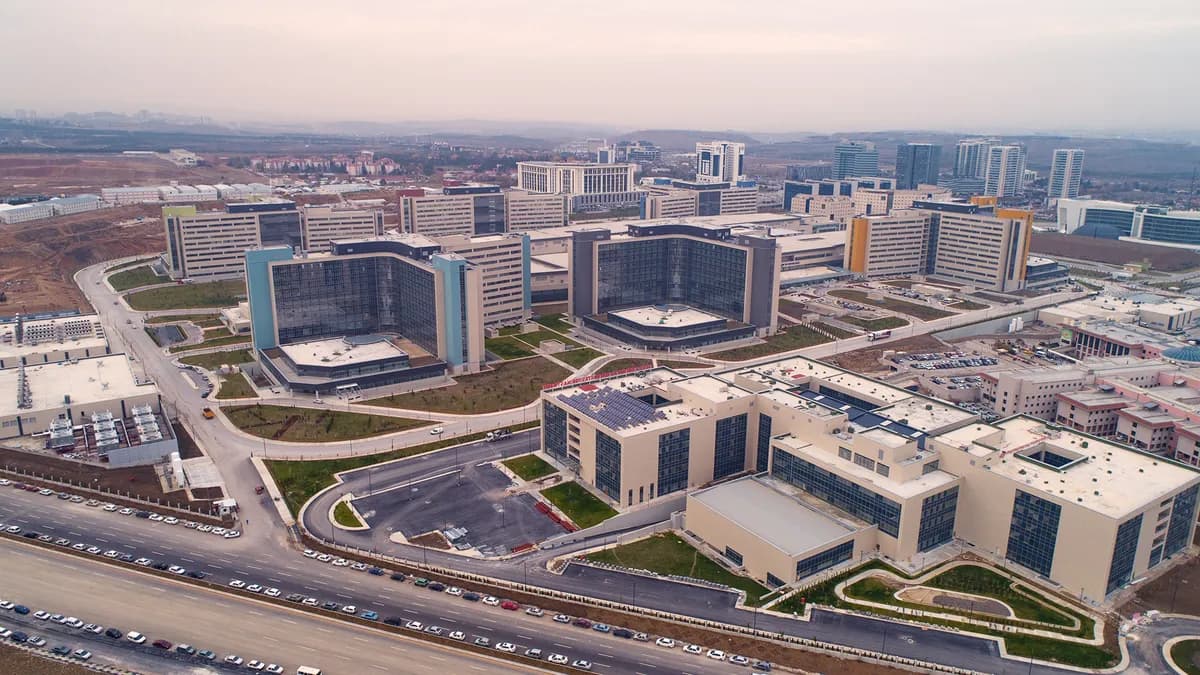
Ankara City Hospital IVF Center (Ankara Şehir Hastanesi)
Ankara City Hospital IVF Center in Ankara offers assisted reproductive techniques and accepts referrals from couples across Turkey and international patients.