PCOS and IVF Treatment in Turkey: Overcoming Polycystic Ovary Syndrome
How PCOS Affects Fertility
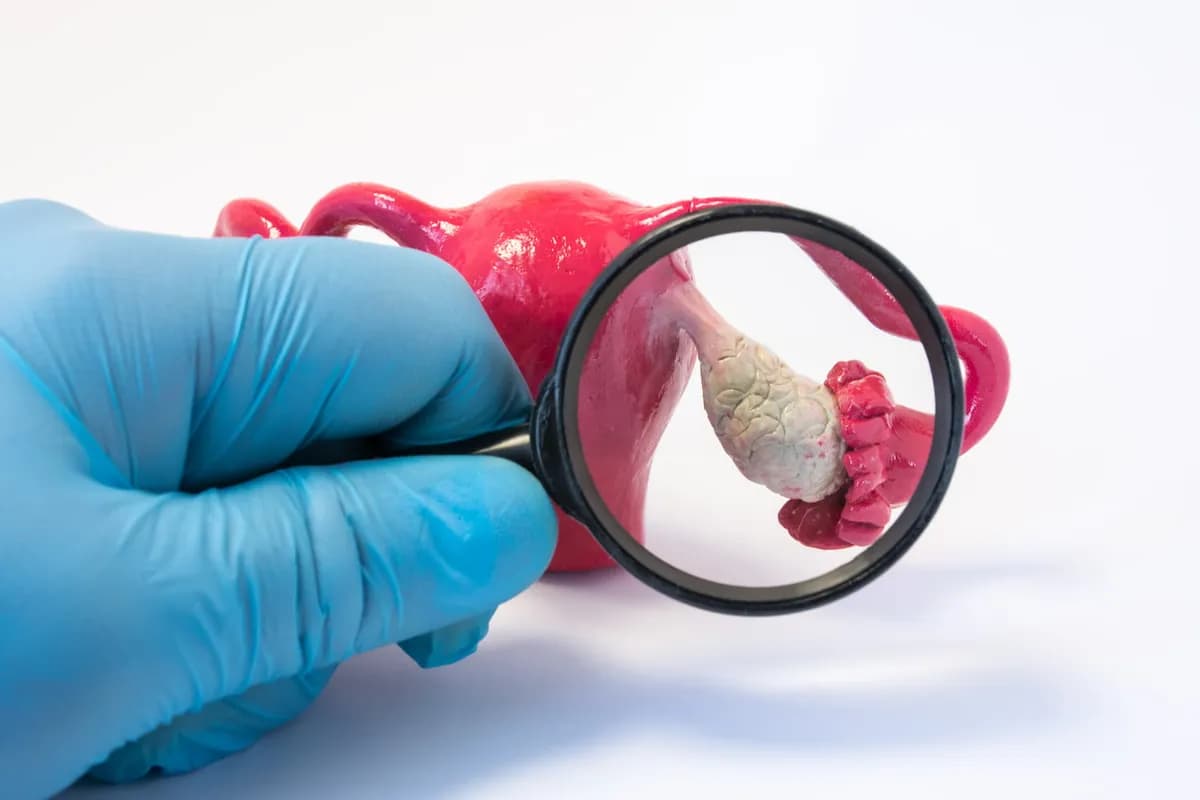
Polycystic ovary syndrome (PCOS) is one of the most common hormonal disorders, affecting up to 10% of women of reproductive age. It disrupts normal ovulation by causing hormonal imbalances, elevated androgen levels, and the development of multiple small follicles that fail to mature properly. Many women with PCOS experience irregular or absent periods, making natural conception difficult. The good news is that PCOS patients often have a high ovarian reserve, which can work in their favor during IVF treatment.
Turkish fertility clinics have developed extensive expertise in treating PCOS-related infertility. With thousands of international patients seeking PCOS IVF treatment in Turkey each year, doctors have refined their protocols to maximize success while minimizing risks.
Ovulation Induction vs. IVF for PCOS
When Ovulation Induction Is Enough
For many PCOS patients, the first step is ovulation induction using medications like letrozole or clomiphene citrate, combined with timed intercourse or intrauterine insemination. This approach works well for younger patients with no other fertility factors. Turkish clinics typically attempt two to three cycles of ovulation induction before recommending IVF.
When IVF Becomes Necessary
IVF is recommended when ovulation induction fails, when there are additional fertility factors such as tubal issues or male factor infertility, or when patients prefer a faster path to pregnancy. Mini IVF with lower medication doses is another option some clinics offer for PCOS patients who want a gentler approach.
Managing OHSS Risk in PCOS Patients
Ovarian hyperstimulation syndrome (OHSS) is the primary concern when treating PCOS with IVF. PCOS patients have more follicles that can over-respond to stimulation medications. Turkish clinics use several strategies to prevent this serious complication.
Modified Stimulation Protocols
Doctors use antagonist protocols with lower starting doses of gonadotropins, typically beginning at 100-150 IU rather than the standard 200-300 IU. The GnRH agonist trigger replaces the traditional hCG trigger, dramatically reducing OHSS risk. A freeze-all strategy is then used, with embryo transfer in a subsequent natural or medicated cycle.
IVM: An Emerging Alternative
In-vitro maturation (IVM) retrieves immature eggs and matures them in the laboratory, eliminating or greatly reducing the need for ovarian stimulation. This technique is particularly suited to PCOS patients who have abundant antral follicles. Several Turkish clinics now offer IVM, providing an option for patients who have previously experienced OHSS or want to avoid stimulation entirely.
Success Rates and Costs
With properly tailored protocols, PCOS patients in Turkey can achieve IVF success rates comparable to or even higher than non-PCOS patients, particularly in women under 35. The large number of available follicles often results in more eggs retrieved and more embryos available for transfer or freezing.
A complete IVF cycle for PCOS patients in Turkey typically costs between $3,000 and $5,500, including medications, monitoring, egg retrieval, and embryo transfer. This represents savings of 50-70% compared to the US or UK. You can explore clinics in Turkey and connect with experienced fertility consultants to find the best approach for your specific situation.
Lifestyle Changes That Support Treatment
Diet and exercise play a significant role in PCOS management. Losing even 5-10% of body weight can restore ovulation in some patients. A low-glycemic diet, regular moderate exercise, and supplements such as inositol and vitamin D have been shown to improve hormonal balance, egg quality, and IVF outcomes. Turkish clinics often integrate nutritional counseling into their PCOS treatment plans, offering a comprehensive approach to fertility care.
Clinics in Turkey

Memorial Hospitals Group
Memorial Hospitals Group in Istanbul offers accredited IVF services with multilingual support and extensive experience treating international patients.
Irenbe Tüp Bebek Merkezi
Irenbe Tup Bebek Merkezi in Izmir offers IVF, high-risk pregnancy follow-up, menopause care, and male infertility services with multilingual support.

Dr. Gamze Çağlar IVF Clinic
Dr. Gamze Çağlar IVF Clinic in Ankara offers IVF, egg freezing, and embryo genetic selection, led by Prof. Dr. Gamze Sinem Yücel.