IVF in Turkey for British Patients: NHS Wait vs. Turkey's Affordable Options

NHS IVF Limitations: Why British Patients Look Abroad
The National Health Service provides IVF treatment, but access is far from straightforward. NHS funding for IVF varies dramatically by Clinical Commissioning Group (CCG), with some areas offering up to three funded cycles while others offer just one — or none at all. Most CCGs impose strict eligibility criteria: women must typically be under 42 years old, the couple must not have any existing children (including from previous relationships), and BMI restrictions often apply.
Even when patients qualify, NHS waiting lists for IVF regularly exceed 18 months, and in some regions the wait can stretch beyond two years. For women in their late thirties, this delay can be medically significant, as fertility declines with each passing year. These limitations have driven a growing number of British patients to seek treatment abroad, with Turkey emerging as one of the most popular destinations. Explore verified clinics in Turkey to begin your search.
Cost Comparison: UK Private Clinics vs. Turkey
When NHS funding is unavailable or the wait is too long, many British patients consider private treatment. A single IVF cycle at a private UK clinic costs between £5,000 and £8,000, with some London clinics charging £10,000 or more. Medications add another £1,000 to £2,000 on top of this figure.
In Turkey, the same quality of treatment costs between £2,000 and £3,500 for a complete IVF or ICSI cycle, and medications are often 40-60% cheaper than UK pharmacy prices. Even with flights and accommodation factored in, British patients typically spend £3,500 to £5,500 in total — still less than the treatment-only cost at most UK private clinics.
Getting to Turkey: Just 3.5 Hours Away
Turkey is remarkably accessible from the United Kingdom. Direct flights from London to Istanbul take approximately 3.5 hours, making it closer than many popular European holiday destinations. Multiple airlines operate this route daily, including British Airways, Turkish Airlines, easyJet, and Pegasus Airlines.
Direct flights are also available from Manchester, Birmingham, Edinburgh, and Glasgow to Istanbul, with flight times of 4 to 4.5 hours. Budget airlines frequently offer return fares of £100-£200, making the journey both quick and affordable. British citizens do not require a visa for tourist stays of up to 90 days in Turkey.
Legal Framework Differences: What British Patients Must Know
There are important legal differences between the UK and Turkish fertility regulations. The Human Fertilisation and Embryology Authority (HFEA) regulates fertility treatment in the UK with some of the most detailed oversight in the world. Turkey's Ministry of Health provides regulatory oversight, but the frameworks differ in several key areas:
- Egg donation is not permitted in Turkey. British patients who need donor eggs must look at alternative destinations such as Northern Cyprus or Spain. - Turkey restricts IVF treatment to legally married couples, whereas UK clinics treat single women and same-sex couples. - Embryo storage regulations differ, so discuss with your clinic how long frozen embryos can be stored.
For patients who qualify — married couples using their own eggs and sperm — Turkey provides excellent medical care at substantially lower cost.
The Patient Journey: From GP Referral to Turkey
Many British patients begin their fertility journey with their GP, receiving an initial referral for investigation. Once you have your test results (blood work, ultrasound scans, semen analysis), you can share these with a Turkish clinic for a remote consultation. Most Turkish fertility centers have dedicated English-speaking international patient teams that guide you through every step.
Before You Travel
Obtain copies of your medical records, including hormone levels (AMH, FSH, LH, estradiol), ultrasound reports, and any previous treatment records. Your Turkish clinic will review these and create a tailored treatment protocol before you fly.
During Treatment
The treatment phase typically lasts 10 to 14 days in Turkey. Your clinic will arrange monitoring appointments every two to three days during ovarian stimulation, followed by egg retrieval and embryo transfer. Many clinics offer airport pickup, hotel booking assistance, and personal patient coordinators who speak English.
Post-Treatment Follow-Up Back in the UK
After returning to the UK, you will need to arrange follow-up care with your GP or a local fertility clinic. Most Turkish clinics provide a detailed discharge summary and treatment report that you can share with your UK healthcare provider. The pregnancy blood test (beta-hCG) is typically performed 10 to 12 days after embryo transfer, and if positive, your GP can refer you to NHS antenatal services for ongoing pregnancy care.
It is important to inform your GP about your treatment abroad so they can provide appropriate follow-up. NHS antenatal care is available to all UK residents regardless of where conception occurred. For patient stories and practical tips, read our Turkey patient reviews, and browse our guide to the best clinics in Turkey for detailed comparisons.
Clinics in Turkey

Memorial Hospitals Group
Memorial Hospitals Group in Istanbul offers accredited IVF services with multilingual support and extensive experience treating international patients.
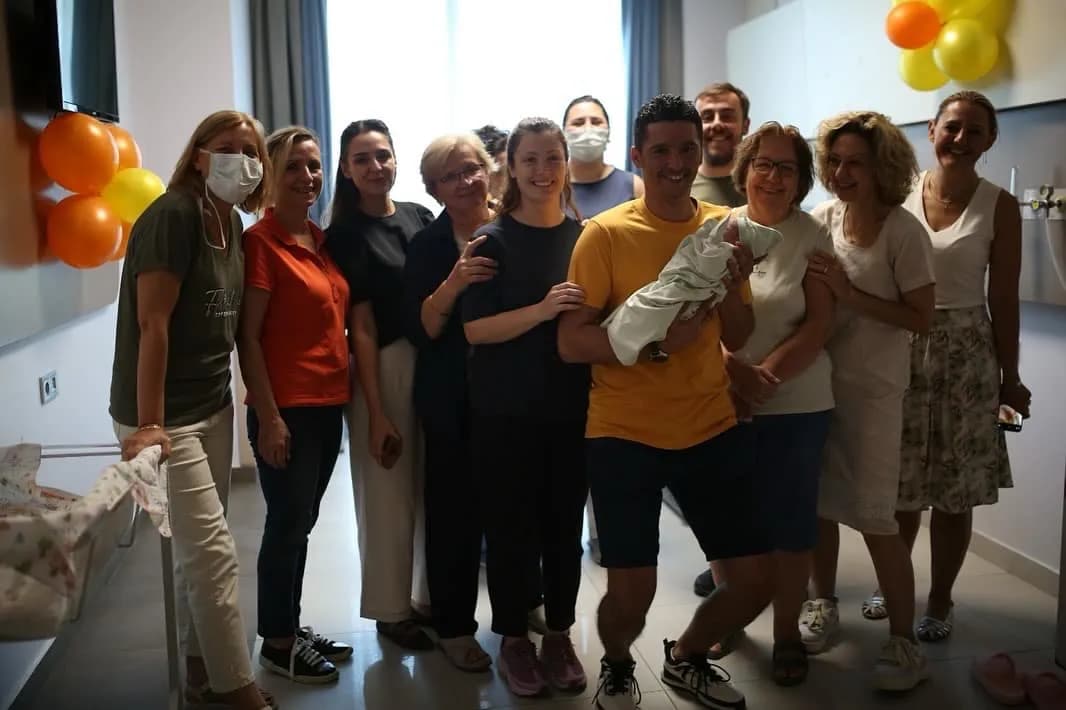
Irenbe Tüp Bebek Merkezi
Irenbe Tup Bebek Merkezi in Izmir offers IVF, high-risk pregnancy follow-up, menopause care, and male infertility services with multilingual support.

Dr. Gamze Çağlar IVF Clinic
Dr. Gamze Çağlar IVF Clinic in Ankara offers IVF, egg freezing, and embryo genetic selection, led by Prof. Dr. Gamze Sinem Yücel.