IVF in South Korea 2026: Advanced Technology and Government-Backed Fertility Support
Why Choose South Korea for IVF?
South Korea has emerged as one of the most technologically advanced fertility treatment destinations in Asia. Home to some of the world's highest research spending per capita and a healthcare system consistently ranked among the best globally, the country offers patients access to cutting-edge reproductive technologies that are often unavailable elsewhere. Seoul, in particular, hosts dozens of specialized fertility clinics equipped with AI-driven embryo grading systems and next-generation laboratory infrastructure.
South Korea's fertility industry has grown rapidly in response to the nation's declining birth rate, which has prompted significant government investment in assisted reproduction. For international patients, this means access to world-class technology at remarkably competitive prices, typically ranging from $3,000 to $6,000 per cycle — a fraction of what comparable treatment costs in the United States or Western Europe.
Seoul: The Hub of Korean Fertility Medicine
Seoul is home to the vast majority of South Korea's leading fertility centres. The Gangnam district alone houses several internationally recognized clinics, many of which treat thousands of patients annually. These clinics are staffed by reproductive endocrinologists trained at top Korean medical schools and many have completed fellowships at prestigious institutions in the United States and Europe.
What Sets Seoul Clinics Apart
Seoul fertility centres are distinguished by their investment in laboratory technology. Most leading clinics feature time-lapse incubator systems such as EmbryoScope, which allow embryologists to monitor embryo development continuously without removing them from optimal culture conditions. This undisturbed observation has been shown to improve embryo selection accuracy and, in many studies, correlates with higher implantation rates.
Additionally, a growing number of Seoul clinics have adopted AI-assisted embryo selection platforms. These systems use deep learning algorithms trained on hundreds of thousands of embryo images to predict which embryos have the highest probability of successful implantation. While AI grading does not replace the expertise of experienced embryologists, it provides an additional objective layer of assessment.
Government Subsidies: Up to 7 Funded Cycles
One of the most remarkable aspects of IVF treatment in South Korea is the generous government subsidy programme. The Korean government, concerned about the nation's critically low birth rate, offers substantial financial support for couples undergoing fertility treatment.
Subsidy Details for Korean Citizens and Residents
- Fresh IVF cycles: The government covers a significant portion of costs for up to 7 IVF cycles for eligible couples - Age eligibility: Women under 45 qualify for the full subsidy programme - Income threshold: Previously income-capped, the programme has been expanded to cover all income levels - Coverage amount: Subsidies cover approximately 50-70% of treatment costs per cycle, including medications - Frozen embryo transfers: Additional support is available for FET cycles beyond the initial fresh transfers
For international patients, these subsidies are not directly available. However, the overall effect of the subsidy programme has been to drive clinical excellence and competitive pricing across the entire market, benefiting all patients regardless of nationality.
IVF Costs in South Korea
The cost of IVF in South Korea remains highly competitive compared to Western countries. A standard IVF cycle in Seoul costs between $3,000 and $6,000, depending on the clinic, protocol complexity, and additional services selected.
Cost Breakdown
- Standard IVF/ICSI cycle: $3,000-$5,000 - Egg freezing: $2,000-$3,500 - Frozen embryo transfer (FET): $1,500-$2,500 - PGT-A (genetic testing): $2,000-$4,000 depending on number of embryos - Fertility medications: $500-$1,500 (often included in package pricing) - Initial consultation and diagnostics: $200-$500
These prices represent exceptional value given the technology level available. Many clinics offer all-inclusive packages for international patients that bundle consultation, treatment, medications, and basic accommodation assistance. Experienced consultants on our platform can help you compare packages across multiple Seoul clinics.
Advanced Technologies Available
AI-Assisted Embryo Selection
South Korea is at the forefront of integrating artificial intelligence into fertility medicine. Several Seoul clinics use proprietary or licensed AI platforms that analyse embryo morphology, division timing, and developmental patterns to assign implantation probability scores. This technology helps embryologists select the single best embryo for transfer, supporting the country's strong preference for single embryo transfer to minimize multiple pregnancy risks.
Time-Lapse Incubation
Time-lapse incubators are standard equipment at most top-tier Korean fertility centres. Unlike conventional incubators that require embryos to be removed for daily assessment, time-lapse systems capture images every few minutes, creating a continuous developmental record. This allows embryologists to identify subtle developmental abnormalities that might be missed during periodic observations.
Vitrification and Cryopreservation
Korean clinics have achieved some of the highest frozen embryo survival rates globally, with many centres reporting post-thaw survival rates exceeding 98%. The widespread adoption of vitrification — an ultra-rapid freezing technique — has made frozen embryo transfer cycles nearly as successful as fresh transfers in many Korean clinics.
Legal Framework and Eligibility
South Korea's fertility treatment regulations are important to understand before planning treatment.
Key Legal Points
- Marital status: IVF is legally available to married couples in South Korea. Unmarried individuals and same-sex couples face legal restrictions - Egg donation: Permitted under strict regulations, with donor anonymity maintained - Sperm donation: Available through regulated sperm banks - Surrogacy: Not legally regulated and generally not practised commercially - Gender selection: Prohibited for non-medical reasons under Korean law - Embryo research: Regulated by the Bioethics and Safety Act
International patients should confirm their eligibility with their chosen clinic before travelling. Documentation requirements typically include a marriage certificate (translated and notarized) and valid passports for both partners.
South Korea vs Japan: A Detailed Comparison
Both South Korea and Japan are Asian leaders in reproductive medicine, but they differ significantly in their approach.
Treatment Philosophy
Japan is renowned for its minimal stimulation and natural cycle IVF approach, using lower medication doses and often retrieving fewer eggs per cycle. South Korea, by contrast, more commonly follows conventional stimulation protocols similar to those used in Europe and the United States, typically retrieving more eggs per cycle and creating more embryos for selection or freezing.
Cost Comparison
- South Korea: $3,000-$6,000 per cycle - Japan: $2,000-$4,000 per cycle (lower due to minimal stimulation protocols using less medication)
While Japan's per-cycle cost may appear lower, the minimal stimulation approach may require more cycles to achieve pregnancy, potentially equalizing the total cost over the full treatment journey.
Technology and Volume
South Korea's clinics tend to be larger and more centralized, with individual centres treating high patient volumes. Japan has the world's highest number of IVF clinics per capita but many are smaller practices. Both countries offer exceptional laboratory standards, though South Korea has been faster to adopt AI-assisted technologies.
Success Rates
Direct comparison of success rates between countries requires caution due to differences in patient demographics, reporting standards, and treatment protocols. However, both countries report clinical pregnancy rates that are competitive with or exceed global averages. South Korea's conventional stimulation approach tends to yield higher per-cycle success rates, while Japan's gentle approach emphasizes cumulative success over multiple cycles with reduced physical burden.
Planning Your Trip to Seoul
Medical Tourism Infrastructure
South Korea has invested heavily in medical tourism infrastructure. Many Seoul clinics have dedicated international patient departments with English-speaking coordinators, translation services in multiple languages, and assistance with travel logistics. The country's efficient public transportation system and world-class accommodation options make Seoul a convenient destination for fertility treatment.
Practical Considerations
- Visa: Many nationalities receive visa-free entry for 30-90 days, sufficient for most IVF cycles - Language: English proficiency varies; choose clinics with international departments - Accommodation: Budget $50-$150 per night for comfortable options near Gangnam fertility clinics - Duration of stay: Plan for 12-16 days for a complete fresh IVF cycle - Best time to visit: Year-round destination with modern indoor facilities
Getting Started
To begin exploring IVF options in South Korea, browse our directory of fertility clinics and connect with experienced consultants who specialize in Korean fertility treatment. They can provide personalized clinic recommendations, cost comparisons, and assistance with treatment planning and logistics.
Clinics in Seoul, South Korea
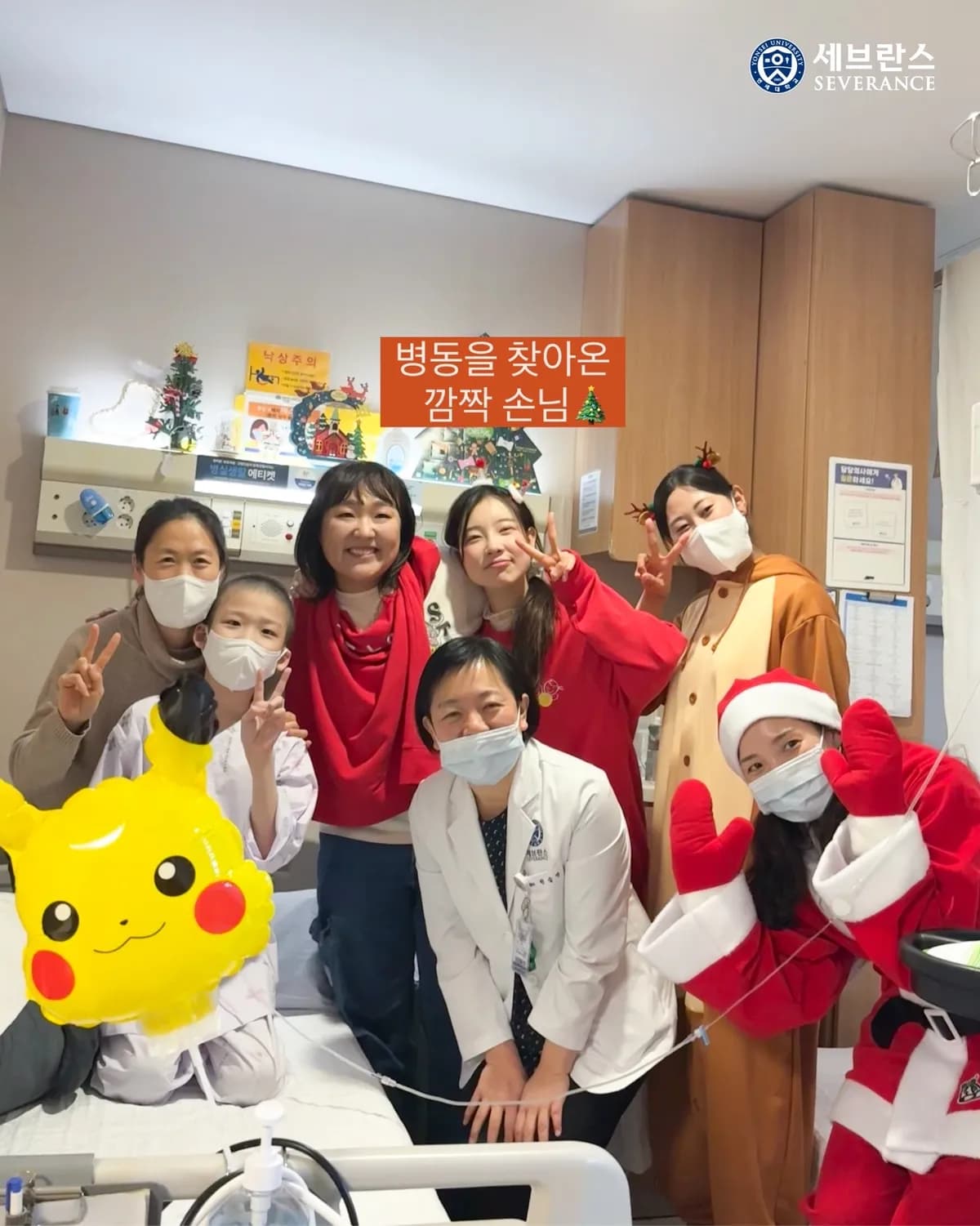
Severance Hospital Fertility Center
Severance Hospital Fertility Center in Seoul offers infertility treatments and fertility preservation services, including preimplantation genetic diagnosis.
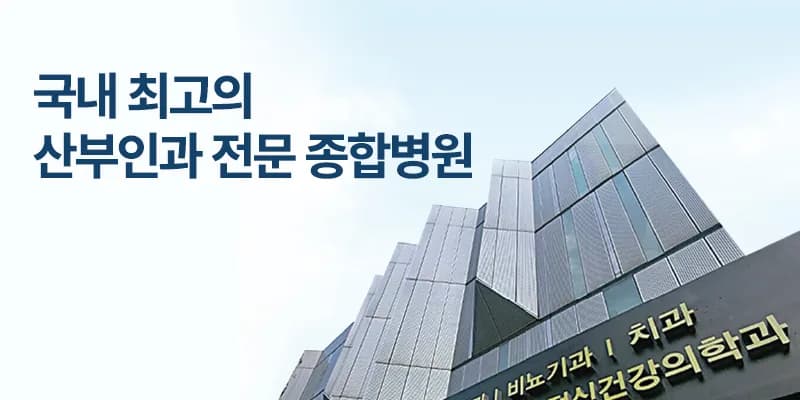
Gangnam CHA IVF Center
Gangnam CHA IVF Center in Seoul has been a pioneer in fertility treatments since 1984, with a team of over fifty specialists in reproductive medicine.
MizMedi Women's Hospital
MizMedi Women's Hospital in Seoul offers fertility services through its I Dream Center, with consultations starting at 07:30.