IVF in Czech Republic: Complete Guide 2026

Why Prague Is Europe's Leading Fertility Destination
Prague, the capital of the Czech Republic, has established itself as one of the most sought-after fertility treatment destinations in Europe. Each year, thousands of international patients travel to Prague for IVF, egg donation, and other assisted reproduction procedures. The reasons are compelling: strict regulatory standards, highly trained embryologists, advanced laboratory technology, and treatment costs that are 40-60% lower than in Western European countries such as the UK, Germany, and France.
Czech fertility legislation is among the most progressive in the European Union. Egg donation has been fully legal and regulated since 2006, with donor anonymity guaranteed by law. The country's reproductive medicine sector benefits from decades of scientific tradition and a strong emphasis on embryology research. For patients beginning to explore their options, our clinic directory allows you to compare Czech Republic clinics side by side.
Czech IVF Law: What You Need to Know
Age Limits and Eligibility
Czech law sets the maximum age for IVF treatment at 49 years for women, which is notably higher than many neighbouring countries. There is no upper age limit for male partners. Both married and unmarried heterosexual couples are eligible for treatment, including egg donation, sperm donation, and embryo donation. Single women may also access donor sperm treatment at many clinics.
Egg and Sperm Donation Rules
Egg donation is fully legal and anonymous in the Czech Republic. Donors cannot be identified by recipients, and recipients cannot be identified by donors, either at the time of treatment or in the future. Donors must be between 18 and 35 years of age and undergo thorough medical, genetic, and psychological screening. Sperm donation is similarly anonymous and well-regulated.
Embryo Testing and Genetic Screening
Preimplantation genetic testing (PGT-A and PGT-M) is permitted and widely offered at Czech clinics. Gender selection for non-medical reasons, however, is not permitted under Czech law.
IVF Costs in the Czech Republic 2026
Standard IVF and ICSI
A standard IVF cycle with ICSI in the Czech Republic costs between €2,500 and €4,000 in 2026. This typically includes an initial consultation, ovarian stimulation monitoring, egg retrieval under sedation, ICSI fertilisation, embryo culture to blastocyst stage, and a single embryo transfer. Many Prague clinics include ICSI in their base price, unlike clinics in Western Europe that often charge it as an add-on.
Egg Donation IVF
Egg donation cycles in the Czech Republic range from €4,500 to €6,500 for a complete package. This generally covers donor recruitment and comprehensive screening, donor stimulation and egg retrieval, ICSI fertilisation, embryo culture, and embryo transfer to the recipient. The large pool of young, healthy donors in the Czech Republic means wait times are typically just 1-3 months, significantly shorter than in countries like the UK where waits can exceed 12 months.
Medication Costs
Fertility medications are an important additional expense. In the Czech Republic, ovarian stimulation drugs cost between €800 and €1,800 depending on the protocol and dosage. Some clinics include medications in their package price, while others bill them separately. Always confirm whether medications are included when comparing quotes.
Additional Costs to Budget For
- PGT-A genetic testing: €1,500-3,000 (depending on number of embryos) - Embryo freezing and annual storage: €400-700 - Frozen embryo transfer (FET): €1,000-2,000 - Accommodation in Prague: €50-90 per night (10-14 nights typical) - Flights to Prague: €100-400 from most European cities
Prague's World-Class Embryology Laboratories
One of the key reasons for Prague's success in reproductive medicine is the exceptional quality of its embryology laboratories. Czech clinics routinely invest in the latest technology, including time-lapse embryo monitoring systems (EmbryoScope), advanced vitrification techniques for embryo and egg freezing, and clean-room laboratory environments that meet the highest EU standards.
Many Prague clinics employ embryologists with international training and research backgrounds. The Czech Republic has a strong tradition in biological sciences, and its medical universities produce highly qualified specialists who often stay within the country's fertility sector. This concentration of talent has created a self-reinforcing cycle of excellence that benefits patients directly through higher fertilisation rates and improved embryo quality.
Czech Republic vs Spain vs Greece: How Do They Compare?
When researching European fertility destinations, patients most frequently compare the Czech Republic with Spain and Greece. Here is how these three leading destinations stack up in 2026.
Cost Comparison
| Treatment | Czech Republic | Spain | Greece | |-----------|---------------|-------|--------| | Standard IVF/ICSI | €2,500-4,000 | €4,000-6,000 | €3,000-4,500 | | Egg Donation | €4,500-6,500 | €6,000-9,000 | €4,500-7,000 | | PGT-A | €1,500-3,000 | €2,500-4,000 | €2,000-3,500 |
Donor Anonymity
The Czech Republic and Spain both guarantee full donor anonymity by law. Greece also permits anonymous donation. For patients from countries where anonymous donation is not available (such as the UK, where donors can be identified once the child turns 18), this is often a decisive factor.
Age Limits
The Czech Republic allows treatment up to age 49, Spain up to 50, and Greece up to 50. All three destinations are significantly more flexible than the UK (typically 42-43 for NHS-funded treatment) and many other Northern European countries.
Laboratory Standards
All three countries maintain high laboratory standards, but the Czech Republic is often recognised for its particularly strong embryology tradition. Prague clinics consistently report blastocyst development rates of 50-60%, competitive with the best clinics worldwide.
What to Expect During Your Treatment Journey
Before You Travel
Your journey begins with an online consultation and preliminary testing in your home country. Most Czech clinics will request baseline blood tests, hormone panels (AMH, FSH, oestradiol), and a recent ultrasound scan. These results allow the medical team to design your stimulation protocol before you arrive.
During Your Stay in Prague
A typical IVF cycle requires 10-14 days in Prague. The first week involves ovarian stimulation monitoring with ultrasound scans every 2-3 days. Egg retrieval is performed under light sedation and takes approximately 20-30 minutes. Embryo transfer occurs 3-5 days later. For egg donation recipients, the stay can be shorter — often 5-7 days — since the donor undergoes stimulation independently.
Prague itself is an excellent city for a treatment stay. The cost of living is lower than in Western European capitals, the public transport system is efficient, and the city offers world-class cultural attractions that can help reduce the stress of treatment.
After Returning Home
Most clinics provide a detailed post-transfer protocol and remain in contact via email or video call. A pregnancy blood test (beta-hCG) is typically performed 10-14 days after transfer, either at a local laboratory in your home country or at the clinic if you are still in Prague.
How to Choose the Right Czech Clinic
When selecting a clinic in the Czech Republic, consider the following factors:
- Accreditation and licensing: Ensure the clinic is registered with the Czech Ministry of Health and complies with EU tissue and cell directives. - Success rates: Ask for age-specific success rates and clarify whether they report clinical pregnancy rates or live birth rates. - Language support: Most Prague clinics offer consultations and support in English, German, and Russian, with some also providing French, Italian, and Spanish. - Transparency: Request a detailed written quote that includes all anticipated costs, including medications, anaesthesia, and laboratory fees.
Our platform connects you with experienced fertility consultants who can help you navigate the selection process, obtain personalised quotes from multiple clinics, and coordinate your treatment journey from start to finish.
Final Thoughts
The Czech Republic — and Prague in particular — offers an outstanding combination of legal protections, medical expertise, laboratory quality, and affordable pricing for fertility treatment. Whether you are considering your first IVF cycle or exploring egg donation after previous unsuccessful attempts, Czech clinics provide a professional, well-regulated environment with a strong track record of success. Browse our clinic listings to begin comparing your options today.
Clinics in Prague, Czech Republic
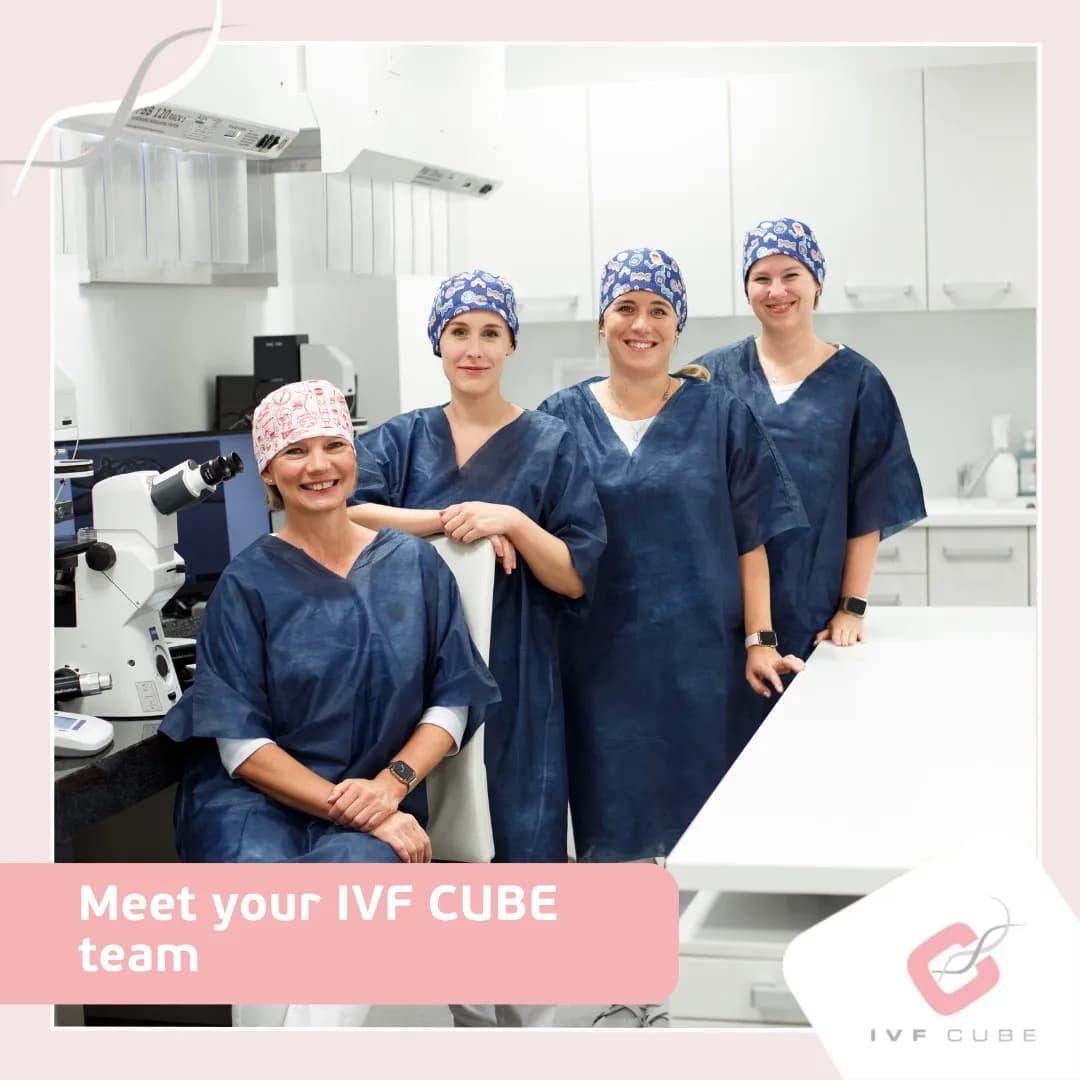
IVF CUBE
IVF CUBE in Prague offers ESHRE-certified fertility treatments with a large donor register and experienced medical staff.
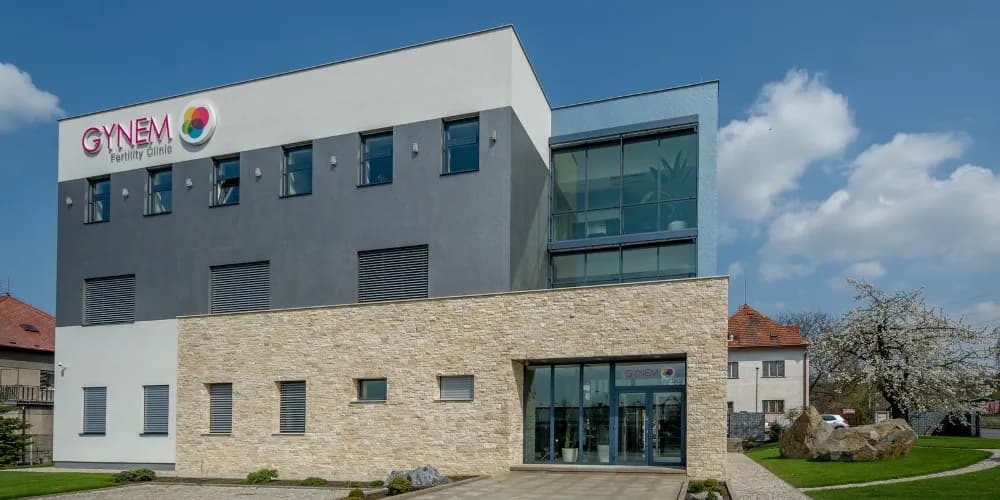
GYNEM Fertility Clinic
GYNEM Fertility Clinic in Prague offers donor treatment, IVF, and advanced embryo monitoring with a multilingual medical team.

UNICA Fertility Clinic
UNICA Fertility Clinic in Prague offers comprehensive fertility services and has a large egg donor register, catering to English-speaking patients.