Frozen Embryo Transfer in Turkey: Process, Costs, and Success Rates
Understanding Frozen Embryo Transfer
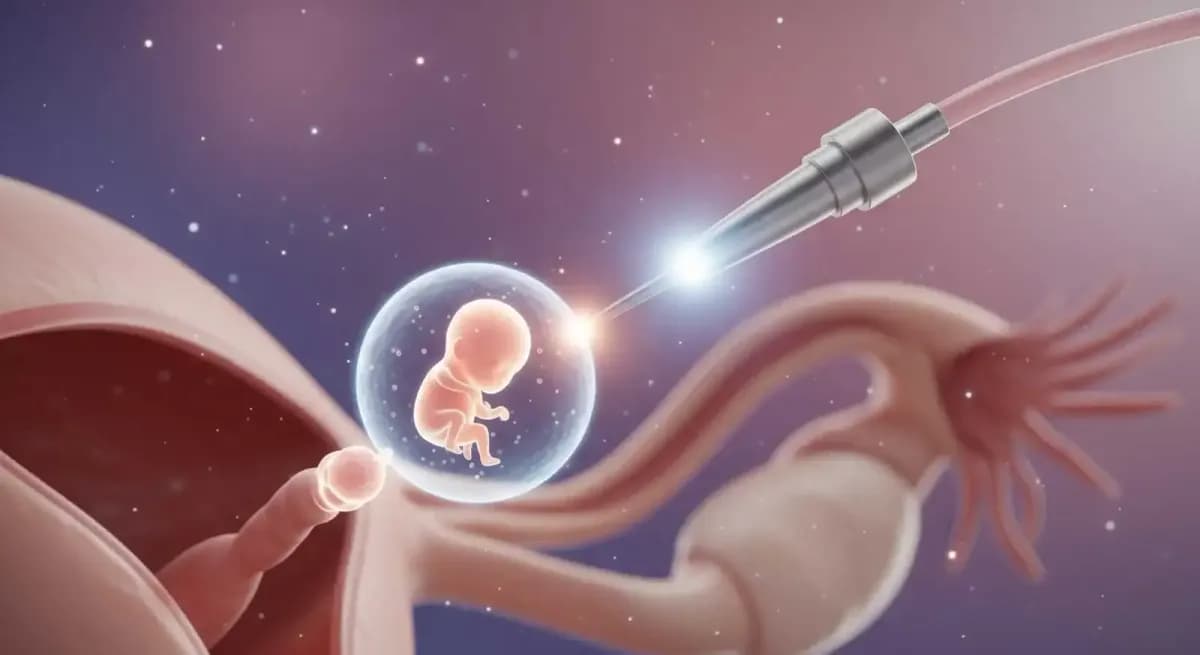
Frozen embryo transfer (FET) has become one of the most common procedures in modern IVF treatment. During an IVF cycle, it is typical for clinics to produce more viable embryos than are transferred in a single attempt. These surplus embryos are cryopreserved using a technique called vitrification, which flash-freezes them at ultra-low temperatures to prevent ice crystal formation and preserve cellular integrity.
Turkey has invested heavily in vitrification technology. Leading clinics in Istanbul, Ankara, and Izmir report embryo survival rates above 95% after thawing, which matches the best outcomes seen globally. This high survival rate makes FET a reliable and increasingly preferred method for many patients.
Why Choose FET Over Fresh Transfer?
Medical Advantages
Research increasingly shows that FET can offer higher implantation and pregnancy rates compared to fresh embryo transfers, particularly when ovarian hyperstimulation syndrome (OHSS) risk is elevated. A frozen cycle allows the uterine lining to recover from stimulation medications, creating a more natural and receptive environment for implantation. FET is also essential for patients who undergo PGT-A testing, as genetic results take time to process.
Practical Benefits for Medical Tourists
For international patients, FET offers significant logistical advantages. The initial stimulation and egg retrieval can be completed in one trip, and the patient can return home while embryos are tested or stored. The FET procedure itself requires only a short visit of 3-5 days, making it much easier to plan around work and family commitments.
The FET Process Step by Step
The FET cycle begins with endometrial preparation, which typically involves estrogen supplements (oral or patches) taken for 12-14 days to build the uterine lining. Progesterone support is added approximately five days before transfer to synchronize the lining with embryo development stage. Monitoring via ultrasound ensures the lining reaches the optimal thickness of 8 mm or more.
On transfer day, the embryo is carefully thawed and assessed by the embryology team. The transfer itself is a painless, ultrasound-guided procedure that takes less than 15 minutes. Most Turkish fertility clinics recommend bed rest for a few hours afterward, followed by light activity for the next two weeks until the pregnancy test.
Costs of Frozen Embryo Transfer in Turkey
A standalone FET cycle in Turkey costs between $1,200 and $2,500, covering medications, monitoring, thawing, and transfer. Annual embryo storage fees range from $200 to $500 per year. These prices are significantly lower than the $4,000-6,000 charged in the US or the $3,000-5,000 typical in Western Europe.
Many clinics offer package deals that bundle the initial IVF cycle with one or more FET attempts, providing better value for patients who anticipate needing multiple transfers. Speak with our fertility consultants to compare FET packages across clinics and find the best option for your situation.
Clinics in Turkey

Memorial Hospitals Group
Memorial Hospitals Group in Istanbul offers accredited IVF services with multilingual support and extensive experience treating international patients.
Irenbe Tüp Bebek Merkezi
Irenbe Tup Bebek Merkezi in Izmir offers IVF, high-risk pregnancy follow-up, menopause care, and male infertility services with multilingual support.

Dr. Gamze Çağlar IVF Clinic
Dr. Gamze Çağlar IVF Clinic in Ankara offers IVF, egg freezing, and embryo genetic selection, led by Prof. Dr. Gamze Sinem Yücel.