Best IVF Doctors in Istanbul: Top Fertility Specialists & How to Choose

Why Istanbul Has Become a Global Hub for Fertility Specialists
Istanbul is home to one of the densest concentrations of highly trained fertility doctors anywhere in the world. The city's public and private hospitals have invested heavily in reproductive medicine over the past two decades, attracting specialists who have completed advanced training in Europe, the United States, and the United Kingdom before returning to practice in Turkey.
For international patients considering IVF in Turkey, the quality of the medical team — not just the clinic's technology — is the single most important factor in choosing where to be treated. A state-of-the-art laboratory staffed by an inexperienced embryologist will not match the outcomes of a well-run unit led by a specialist with fifteen years of complex case experience.
This guide examines what qualifications to look for in a Turkish IVF doctor, which hospitals in Istanbul have the strongest fertility departments, what questions to ask before starting treatment, how to verify a doctor's credentials, and how to interpret success rate data meaningfully.
---
What Qualifications Should an IVF Doctor in Istanbul Have?
Turkey has a structured pathway to specialisation in reproductive medicine. Understanding this pathway helps you evaluate whether a doctor's credentials are genuine and relevant.
Core Medical Training
All practising physicians in Turkey must hold a degree from a Turkish medical school (or an accredited foreign equivalent recognised by the Turkish Medical Association, known as the TTB — Türk Tabipleri Birliği). Medical degrees typically take six years, followed by an internship year.
Obstetrics and Gynaecology Specialisation
Before specialising in reproductive medicine, a doctor must complete a full residency in Obstetrics and Gynaecology (Kadın Hastalıkları ve Doğum). This residency lasts four to five years and is highly competitive. The qualification is overseen by the Turkish Board of Obstetrics and Gynaecology (Türk Kadın Hastalıkları ve Doğum Uzmanları Derneği — TJOD). Board certification (Uzmanlık Belgesi) in this specialty is the minimum baseline you should expect from any doctor performing IVF in Turkey.
Subspecialty in Reproductive Endocrinology and Infertility (REI)
The gold standard for an IVF doctor in Turkey is additional subspecialty training in Reproductive Endocrinology and Infertility (Üreme Endokrinolojisi ve İnfertilite). In Turkey this is formalised through:
- University hospital fellowship programmes — many of Istanbul's leading specialists trained in academic centres such as Istanbul University, Marmara University, or Hacettepe University in Ankara - International fellowships — a significant proportion of Istanbul's top IVF doctors have completed additional fellowships in the UK (under Royal College of Obstetricians and Gynaecologists auspices), Germany, the USA (ACOG/ASRM-affiliated programmes), or Scandinavia - European Society of Human Reproduction and Embryology (ESHRE) membership and training — ESHRE is the primary European professional body for reproductive medicine, and active membership, attendance at annual congresses, and ESHRE-affiliated training are strong positive signals
What International Training Means in Practice
A doctor who has trained or worked in Germany, the UK, Scandinavia, or the USA has typically been exposed to: - High-volume, protocol-driven clinical environments with standardised outcomes tracking - Rigorous quality management systems (ISO, ESHRE Q-mark or equivalent) - Peer review and audit culture - A regulatory environment in which poor outcomes have genuine consequences
This does not automatically make them a better clinician than a Turkish-trained doctor — many of Istanbul's finest specialists have never practised abroad — but international training often signals a doctor who actively seeks professional development and maintains international standards of practice.
Embryologist Qualifications
Your IVF doctor oversees your medical care, but the embryologist is the person who works with your eggs, sperm, and embryos every day in the laboratory. In Turkey, embryologists typically hold degrees in Biology, Molecular Biology, or Biochemistry, followed by specialised laboratory training. Look for clinics where embryologists hold:
- ESHRE Certification in Clinical Embryology (CCE) — a demanding international qualification - Association of Clinical Embryologists (ACE) Membership — UK-based, internationally recognised - Documented experience in advanced techniques: ICSI, vitrification, laser-assisted hatching, PGT-A biopsy
---
Top IVF Doctors in Istanbul and Their Hospital Affiliations
The following represent Istanbul's most experienced and internationally recognised fertility specialists. This list is based on hospital affiliation, published research, professional memberships, training history, and peer reputation within the fertility medicine community. It is not a ranked list — the right doctor for you depends on your specific diagnosis.
Memorial Hospital Group — Fertility and IVF Centre
Memorial Şişli and Memorial Bahçelievler are anchor hospitals for reproductive medicine in Istanbul. The Memorial group is one of Turkey's largest private hospital networks and has invested substantially in its IVF departments.
Specialists affiliated with Memorial's fertility units typically hold Turkish board certification in OB/GYN and have completed subspecialty training in REI at Turkish university hospitals or abroad. The group's IVF laboratories are equipped with time-lapse incubator systems (Embryoscope or equivalent), vitrification platforms, and genetic testing infrastructure.
What to look for at Memorial: - Ask which specific consultant will lead your case — at large hospital groups, consultant availability varies - Request the laboratory's annual cycle volume and live birth rate for your age group - Confirm whether PGT-A and blastocyst-stage culture are performed routinely or only when indicated
Acibadem Healthcare Group — Reproductive Medicine
Acibadem is Turkey's most internationally recognised private healthcare brand, operating hospitals across Turkey and internationally. The group's IVF services are spread across multiple Istanbul campuses including Acibadem Maslak, Acibadem Fulya, and Acibadem Bakırköy.
Acibadem's fertility specialists are among the most published in Turkish reproductive medicine. The group maintains active research collaborations with ESHRE and European university hospitals. Several senior consultants at Acibadem have published in peer-reviewed journals including Human Reproduction, Fertility and Sterility, and the Journal of Assisted Reproduction and Genetics.
Key strengths: - Strong research culture and academic affiliations - Access to Acibadem's broader specialist network (haematology, genetics, urology) for complex cases - ISO and JCI accredited facilities - Some consultants offer English-language consultations directly
American Hospital Istanbul (Amerikan Hastanesi)
The American Hospital Istanbul — officially Vehbi Koç Vakfı Amerikan Hastanesi — is one of Turkey's most prestigious private hospitals and has operated continuously since 1920. Its IVF and reproductive medicine department attracts both domestic and international patients who want a Western-style clinical experience with rigorous quality standards.
Doctors at the American Hospital have frequently trained or undertaken fellowships in the United States and Western Europe. The hospital's strong relationship with American academic medicine means consultants here are more likely than average to follow ASRM (American Society for Reproductive Medicine) guidelines alongside ESHRE protocols.
Particularly suited to: - International patients who want English-language care without an interpreter - Patients coming from North America or the Middle East who are familiar with American-style clinical practice - Patients with complex backgrounds requiring multi-disciplinary input
Medicana International Istanbul — IVF Centre
Medicana International Istanbul in Beylikdüzü is a JCI-accredited hospital with a dedicated fertility department that has treated a high volume of international patients. The IVF centre at Medicana International has a particular strength in donor egg programmes and handles a significant number of international patients seeking donor egg IVF.
The clinic has invested heavily in patient coordination infrastructure — dedicated international patient coordinators, multilingual support, and accommodation packages — which can reduce the administrative burden for patients travelling from abroad.
Strengths: - JCI accreditation — international standard of quality management - Strong donor programme with diverse donor pool - Experienced with patients from the UK, Germany, Ireland, and the Middle East - Competitive pricing with transparent package quotes
LIV Hospital Istanbul — Fertility and Reproductive Medicine
LIV Hospital operates sites in Ulus and Vadistanbul, and its fertility department has grown rapidly over the past five years. Several of LIV's IVF specialists have trained in Germany and the UK. The hospital's embryology laboratory has received recognition for its vitrification outcomes.
LIV is often noted for its patient experience — modern facilities, attentive coordination, and relatively personalised care compared to larger group hospitals. For patients who want a smaller-team feel within a full-service hospital environment, LIV is worth serious consideration.
Strengths: - Modern facilities with recent laboratory investment - Internationally trained specialists - Good English-language patient coordination - Strong frozen embryo transfer (FET) programme
---
Istanbul Hospital Comparison Table
| Hospital | Location | Key Strength | JCI Accredited | International Patient Programme | Donor Programme | |----------|----------|--------------|---------------|--------------------------------|-----------------| | Memorial Şişli | Şişli | High-volume, established | Yes | Yes | Yes | | Memorial Bahçelievler | Bahçelievler | Strong embryology lab | Yes | Yes | Yes | | Acibadem Maslak | Maslak | Research & complex cases | Yes | Yes | Yes | | Acibadem Fulya | Fulya | Central location, full service | Yes | Yes | Yes | | American Hospital Istanbul | Nişantaşı | Western-style care, English | No (JCIA equivalent) | Yes | Limited | | Medicana International | Beylikdüzü | International patients, donor | Yes | Specialist | Strong | | LIV Hospital Ulus | Ulus | Patient experience, FET | Yes | Yes | Yes | | LIV Hospital Vadistanbul | Başakşehir | Modern facilities | Yes | Yes | Yes |
---
Doctor vs Clinic: What Matters More?
This is one of the most debated questions in fertility medicine, and the honest answer is: both matter, but in different ways.
Why the Doctor Matters
Your IVF doctor makes the clinical decisions that determine your protocol — how many follicle-stimulating hormone (FSH) units you receive, when egg collection is triggered, whether ICSI is recommended, how many embryos to transfer, and whether to proceed with a fresh or frozen transfer. A doctor with deep experience in your specific situation — whether that is unexplained infertility, diminished ovarian reserve, repeated implantation failure, or a male factor diagnosis — will make better decisions than a generalist who treats IVF as a routine procedure.
Experience with complex cases is especially important. If you have had previous failed IVF cycles, a complicated medical history, or a diagnosis that falls outside the standard protocol, you want a specialist who has seen your situation many times before and has evidence-based approaches to managing it.
Why the Clinic Matters
Even the most experienced doctor cannot compensate for a poor-quality laboratory. The embryology lab is where your eggs are fertilised, where embryos develop over five to six days to blastocyst stage, and where vitrification (freeze) and thaw procedures are performed. The laboratory environment — air quality, temperature stability, CO₂ levels, culture media quality, incubator type — has a direct and measurable impact on embryo development and ultimately on success rates.
A clinic's quality management system determines how consistently protocols are followed, how quickly problems are identified and corrected, and how transparent the clinic is about its outcomes. JCI accreditation, ESHRE certification, and ISO 9001 registration are signals that a clinic has submitted to external audit and met defined quality standards.
The Practical Conclusion
Choose a clinic whose laboratory quality and accreditation you can verify — then find the best available specialist within that setting. Do not follow a doctor to a poorly equipped clinic, and do not choose a prestigious hospital with poor clinical leadership.
---
Questions to Ask Your IVF Doctor in Istanbul
Before committing to a clinic or starting treatment, use your initial consultation to ask these questions. A confident, experienced specialist will welcome them. Vague or evasive answers are a red flag.
About the Doctor's Experience
- How many IVF cycles do you personally oversee per year? - What proportion of your patients have a diagnosis similar to mine? - Have you completed any fellowship training outside Turkey? Where? - Are you a member of ESHRE or ASRM? Do you attend their annual meetings? - Can you share any published research or presentations on my type of case?
About the Clinic's Laboratory
- What incubator system do you use? (Time-lapse / conventional) - What is your blastocyst development rate for patients in my age group? - What is your vitrification survival rate for frozen embryo transfers? - What air filtration system does your embryology lab use? - How many embryologists work in the lab, and what are their qualifications?
About Your Specific Protocol
- Based on my test results, what protocol would you recommend and why? - What is my estimated response likely to be based on my AMH and antral follicle count? - Under what circumstances would you recommend ICSI? PGT-A? A frozen rather than fresh transfer? - What would your approach be if I respond poorly to stimulation? - What is your policy on how many embryos to transfer?
About Outcomes
- What is your live birth rate for patients my age using their own eggs? - How does this compare to your clinic's overall average and the national average? - Can you show me verified data rather than a headline figure?
About Practicalities
- How many visits to Istanbul will I need and for how long? - Can monitoring scans be done at home and shared with you remotely? - What happens if I need additional support between visits? - Who do I contact if I have questions outside office hours?
---
How to Verify a Doctor's Credentials in Turkey
Unlike in the UK (where the GMC register is publicly searchable) or the USA (where state medical board licences are online), Turkey does not have a single fully public, searchable database of all practising physicians. However, there are several reliable verification steps:
Step 1: Check TTB (Turkish Medical Association) Registration
All doctors legally practising in Turkey must be registered with the Türk Tabipleri Birliği (TTB). You can ask a clinic to confirm their doctors' TTB registration numbers. The regional chambers (İstanbul Tabip Odası for Istanbul-based doctors) can also verify registration.
Step 2: Verify Hospital Privileges
Any reputable doctor will have formally granted clinical privileges at a JCI-accredited or Ministry of Health-licensed hospital. Ask the hospital's administration department to confirm your doctor's appointment and specialist status.
Step 3: Check Academic Affiliations
Many of Istanbul's leading fertility specialists hold or have held academic appointments at Turkish medical schools. University affiliation is a strong indicator of professional standing. A quick search of the relevant university department website should confirm whether a doctor's name appears.
Step 4: Search Published Research
Google Scholar, PubMed, and ESHRE's online congress abstract database all allow free searches by author name. A specialist who is actively publishing or presenting research is demonstrably engaged with the international scientific community.
Step 5: Look for ESHRE or ASRM Profile
ESHRE and ASRM both maintain online directories of members. While membership alone is not a guarantee of quality, it indicates a doctor who is actively invested in the international professional community and subject to its norms.
Step 6: Request References or Patient Testimonials
A clinic that regularly treats international patients should be able to provide — with patient consent — references or written testimonials from previous international patients. Third-party forums and patient communities (Reddit's r/IVF, fertility-specific Facebook groups, Fertility Friends UK) are also valuable sources of genuine patient feedback.
---
How to Interpret IVF Success Rates in Istanbul
Success rates are the most cited — and most misunderstood — metric in fertility treatment. When evaluating a doctor or clinic in Istanbul, apply these principles:
The Denominator Problem
A clinic that reports a "60% success rate" may be calculating it as percentage of cycles started, percentage of egg collections performed, percentage of embryo transfers completed, or percentage of positive pregnancy tests — not live births. Each of these denominators produces a very different number. The only meaningful metric is live birth rate per embryo transfer, broken down by patient age and cycle type (own eggs vs donor).
Age Stratification Is Essential
Success rates fall sharply with age. A headline figure without age stratification is meaningless. Ask for live birth rates specifically for: - Women under 35 - Women 35–37 - Women 38–39 - Women 40–42 - Women over 42
Donor Egg vs Own Egg
Donor egg IVF consistently produces higher success rates than own egg IVF, because donor eggs are typically from younger women. A clinic that treats a high proportion of donor cycles will report higher overall success rates. Compare like-for-like.
Istanbul Average vs International Benchmarks
Turkey's Ministry of Health collects aggregate IVF outcome data, but detailed clinic-by-clinic data comparable to the UK's HFEA database is not publicly available. As a benchmark:
| Metric | Turkey Approximate Average | UK (HFEA) National Average | Leading Istanbul Clinics | |--------|--------------------------|---------------------------|--------------------------| | Live birth rate (own eggs, under 35) | 40–50% | ~32% | 45–55% | | Live birth rate (own eggs, 35–37) | 30–40% | ~25% | 35–45% | | Live birth rate (own eggs, 38–40) | 20–30% | ~15% | 25–35% | | Live birth rate (donor egg, all ages) | 55–65% | ~45% | 58–68% |
*Figures are approximate averages based on published studies, clinic-reported data, and Ministry of Health aggregate statistics as of 2025–2026. Individual clinic outcomes vary.*
Turkey's relatively high reported success rates compared to UK averages are partly explained by differences in patient selection and reporting methodology, but the best Istanbul clinics genuinely achieve strong outcomes due to high laboratory quality and competitive professional culture.
Cumulative vs Single-Cycle Rates
Ask about cumulative success rates — the probability of a live birth across multiple cycles. For patients who may need more than one attempt, this is the most relevant figure. Many Istanbul clinics offer multi-cycle packages, making the cumulative picture financially important as well.
---
Cost of IVF with Top Doctors in Istanbul (2026)
One of the most compelling reasons international patients choose Istanbul is cost. Even when you factor in flights and accommodation, treatment at a leading Istanbul hospital is typically significantly cheaper than equivalent care in Western Europe.
Treatment Cost Guide — Istanbul 2026
| Treatment | Typical Cost Range (Istanbul) | Approximate UK Equivalent | |-----------|------------------------------|--------------------------| | IVF with own eggs (one cycle) | £1,800 – £3,200 | £4,500 – £6,500 | | IVF + ICSI | £2,200 – £3,800 | £5,500 – £7,500 | | Donor egg IVF | £3,500 – £5,500 | £7,000 – £10,000 | | Frozen embryo transfer (FET) | £800 – £1,500 | £1,500 – £2,500 | | PGT-A (genetic testing) | £1,200 – £2,500 | £2,000 – £3,500 | | Egg freezing | £1,500 – £2,800 | £3,500 – £5,500 | | Stimulation medications | £400 – £900 | £800 – £1,500 |
*Costs are approximate guide ranges for 2026. Request a full itemised written quote from any clinic before committing.*
What Affects the Price?
- Hospital vs dedicated fertility clinic: Group hospitals (Memorial, Acibadem) may charge slightly more than standalone fertility clinics but offer broader specialist support - Consultant seniority: A senior consultant with 20+ years' experience may charge a higher consultation fee than a mid-career specialist - Cycle complexity: Freeze-all cycles, blastocyst culture, and PGT-A add cost but are sometimes clinically justified - Package vs itemised pricing: Many Istanbul clinics offer all-in packages for international patients that bundle consultation, monitoring, egg collection, fertilisation, transfer, and basic medications — compare these carefully against itemised quotes
---
Patient Testimonials: What to Look For and What to Ignore
Online testimonials are a useful but imperfect tool. Here is how to read them effectively:
Testimonials Worth Weighing Heavily
- Posted on independent platforms (Google Maps, Trustpilot) where the clinic cannot delete negative reviews - Specific about the doctor's name, the diagnosis, the number of cycles tried, and the outcome - Mention both positive and negative aspects of the experience — balanced reviews are more credible than uniformly glowing ones - Posted by people who describe a situation similar to yours (same diagnosis, similar age, same treatment type) - Found in independent patient communities — Reddit's r/IVF, r/infertility, dedicated Facebook groups for IVF patients travelling to Turkey — where the clinic has no presence
Testimonials to Treat With Scepticism
- Appearing exclusively on the clinic's own website, where only approved reviews would be shown - Written in marketing language rather than personal, specific terms - Lacking detail about diagnosis, protocol, or the actual experience — generic praise - Posted in very high volumes within a short timeframe (indicative of incentivised or fabricated reviews) - From accounts that have only ever reviewed this one clinic
The Right Weight for Testimonials
Use testimonials to identify red flags (consistent complaints about communication failures, billing disputes, unexpected changes of doctor on the day of egg collection) and to confirm general reputation. Do not make your final decision based on testimonials alone — weight them alongside verified credentials, accreditation status, and direct conversations with the clinic.
---
Practical Tips for Choosing the Right IVF Doctor in Istanbul
Tip 1: Separate the Initial Consultation from the Commitment to Treat
Many patients fly to Istanbul, have one consultation, feel pressured by the time and money already spent, and commit to treatment immediately. Resist this. The initial consultation is for information gathering. Take your notes home, compare against other clinics, sleep on it, and then decide. A reputable clinic will not pressure you to sign up on the day.
Tip 2: Ask Specifically Who Will Perform Your Egg Collection
In high-volume clinics, the consultant you met may not be the person who performs your egg collection or embryo transfer. Ask directly: "Will you personally be performing my procedures?" If not, ask to meet the doctor who will.
Tip 3: Get Everything in Writing
Verbal assurances about success rates, included services, and protocol decisions are not binding. Request written confirmation of your protocol, a full itemised quote, and a written summary of the consultation. Any clinic serious about international patients will provide this without resistance.
Tip 4: Understand the Monitoring Plan
A standard IVF stimulation phase requires monitoring scans every two to three days. For international patients travelling from abroad, discuss the minimum number of visits required and whether any monitoring can be arranged at home. Some Istanbul clinics have established networks with scan providers in the UK, Germany, and Ireland to reduce the number of trips required.
Tip 5: Investigate the Embryology Lab Specifically
Ask to speak with the laboratory director or lead embryologist during your consultation. Ask about their qualifications, the clinic's blastocyst conversion rate, and their vitrification protocols. A clinic that discourages you from asking about the lab is one that does not want scrutiny of one of its most critical functions.
Tip 6: Consider Language
English is widely spoken among senior medical staff at Istanbul's international hospitals, but the level varies. If direct communication in English with your doctor — not just a coordinator — is important to you, confirm this before booking. Some of Istanbul's best specialists conduct consultations in English directly; others work through interpreters.
Tip 7: Plan for More Than One Cycle
Statistically, many patients require more than one IVF cycle to achieve a live birth. Factor this into your financial planning. Multi-cycle packages offered by Istanbul clinics can represent significant savings if you need two or three attempts — but read the terms carefully to understand what happens if a cycle is cancelled, what is included in each round, and whether medication is bundled or additional.
---
Frequently Asked Questions
Is IVF legal and well-regulated in Turkey? Yes. IVF in Turkey is regulated by the Ministry of Health under regulations most recently updated in 2023. All fertility clinics must hold a Ministry of Health licence, and doctors must hold recognised specialist qualifications. Turkey does not permit commercial surrogacy or anonymous gamete donation to unmarried recipients, but donor egg IVF is legal for married couples.
Can single women have IVF in Turkey? Under current Turkish regulations, IVF treatment is only available to married couples. Single women and same-sex couples cannot legally access IVF in Turkey. Patients in this situation typically seek treatment in Spain, Cyprus, Czech Republic, or other countries with more permissive legislation.
How many visits to Istanbul will I need? A standard IVF cycle typically requires two visits: one at the start of your cycle for baseline assessment and to begin stimulation (3–4 days), and one for egg collection and transfer (5–7 days). Some protocols allow the stimulation monitoring phase to be done at home with results shared remotely, reducing the first visit. Discuss the specific itinerary with your clinic before booking flights.
How do I transfer my medical records to an Istanbul clinic? Most Istanbul clinics will accept records in English, German, or Russian. If your records are in another language, ask whether the clinic can arrange translation. You will need to provide: AMH level, antral follicle count (AFC) from a recent scan, FSH and LH levels (ideally from day 2–3 of your cycle), semen analysis results, and a summary of any previous fertility treatment. Sending these in advance allows the clinic to give you a more personalised protocol recommendation before your first visit.
Are medications cheaper in Turkey than in the UK or Germany? Yes, significantly. Fertility stimulation drugs — FSH injections, GnRH antagonists, trigger shots — are generally 40–60% cheaper in Turkish pharmacies than in the UK or Germany. Some patients arrange to purchase medications in Istanbul rather than paying UK prices.
What happens to frozen embryos if I return home? Frozen embryos can be stored in Istanbul for a period agreed with the clinic (typically one to five years, with annual renewal). They cannot legally be transported to another country under Turkish law. If you have surplus frozen embryos and need a frozen embryo transfer cycle, you will need to return to Istanbul. This is an important practical consideration when deciding how many embryos to transfer in your first cycle.
---
Summary
Istanbul offers access to some of the world's most experienced fertility specialists at costs significantly below Western European or North American equivalents. The key to a successful outcome is not choosing the most marketed clinic or the cheapest package — it is identifying a specialist with verifiable credentials, real subspecialty experience in your type of case, and a laboratory infrastructure that matches international standards.
Use the checklist in this guide: verify board certification, check for ESHRE membership, confirm laboratory qualifications, ask about blastocyst rates and vitrification survival, and get everything in writing. The right combination of an experienced fertility specialist and a well-equipped laboratory in Istanbul can give you access to fertility care that genuinely competes with the best in the world — at a fraction of the cost.
Browse IVF clinics in Istanbul or explore your options for IVF treatment, donor egg IVF, and ICSI on IVF Finder.
Clinics in Istanbul, Turkey

Memorial Hospitals Group
Memorial Hospitals Group in Istanbul offers accredited IVF services with multilingual support and extensive experience treating international patients.

Prof. Dr. Nilgün Turhan IVF Clinic
Prof. Dr. Nilgun Turhan IVF Clinic in Istanbul offers IVF, infertility investigation, and general gynaecology services.
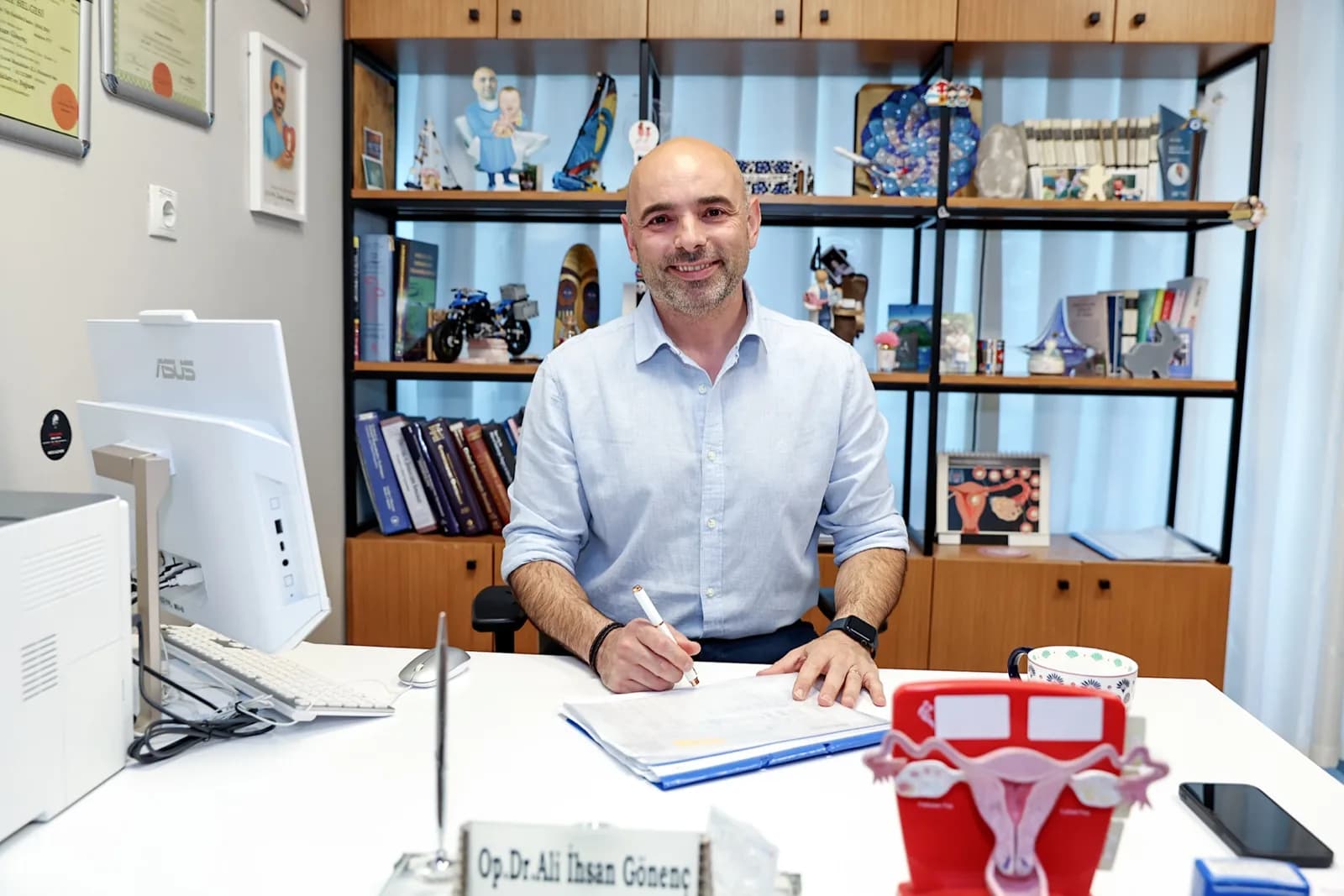
Op. Dr. Ali İhsan Gönenç IVF Center
IVF unit within JCI-accredited Medical Park Bahçelievler Hospital, Istanbul, led by Op. Dr. Ali İhsan Gönenç.